We value your privacy
We use cookies to enhance your browsing experience, serve personalised ads or content, and analyse our traffic. By clicking "Accept All", you consent to our use of cookies.

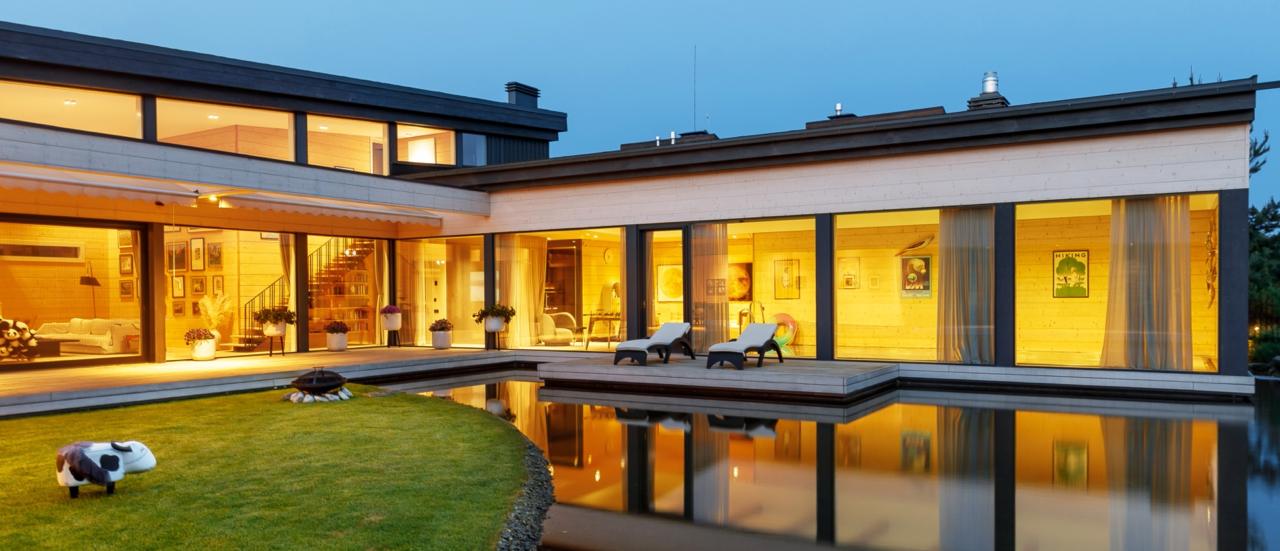
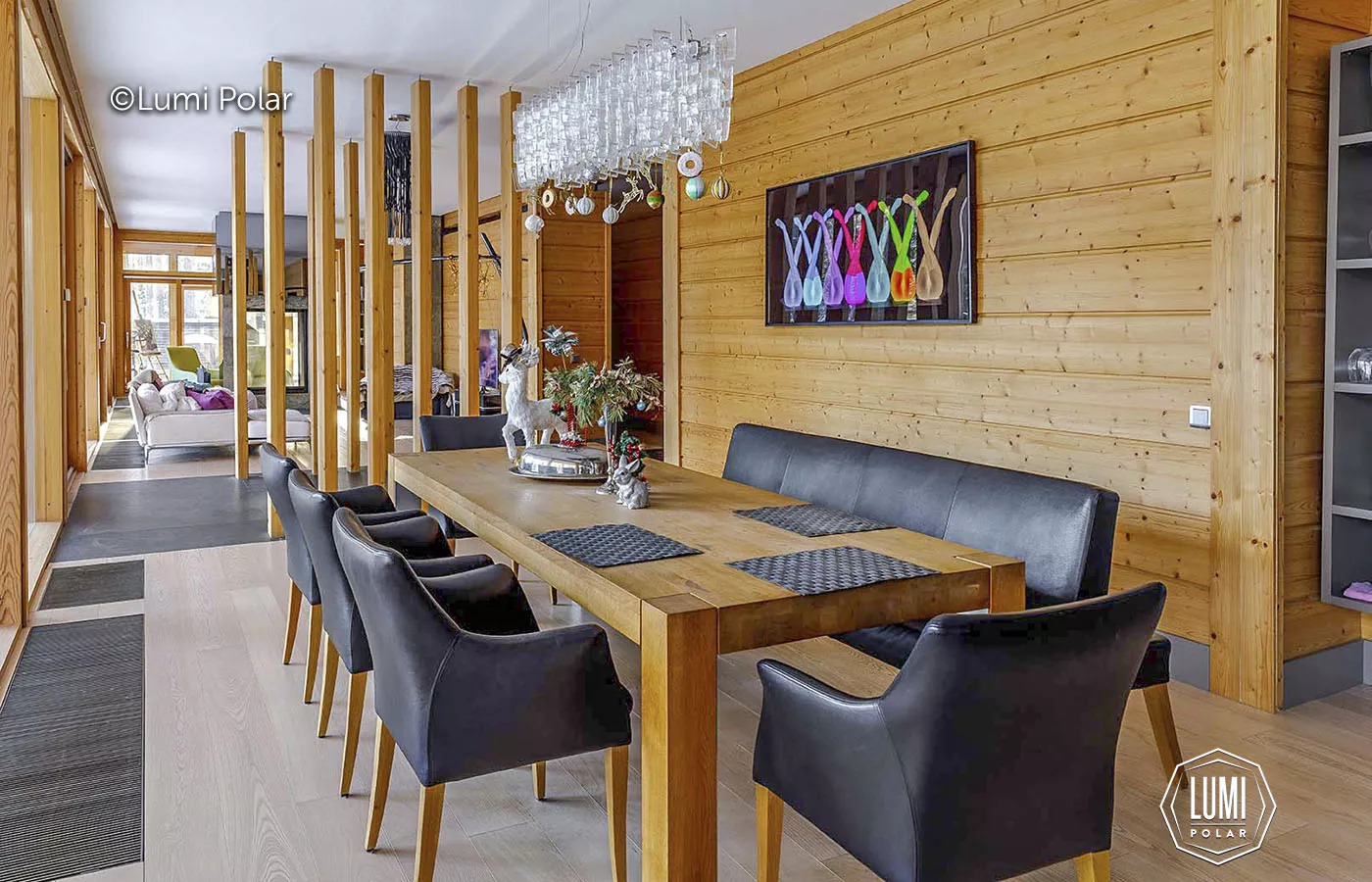
You may be surprised, but after a comprehensive study of the subject, global experts have recognized Finnish wooden houses as the best modern homes in terms of all technical parameters compared with houses made from other building materials. A Finnish wooden house is the ideal choice for living on the land in every respect:
Many people are puzzled by this, and fire safety in particular is often met with ridicule, although environmental friendliness and fire safety are precisely the main reasons why demand for Finnish log houses is growing rapidly worldwide. In Europe, there is already a real boom — more than 50% of all Finnish exports go to Germany alone.
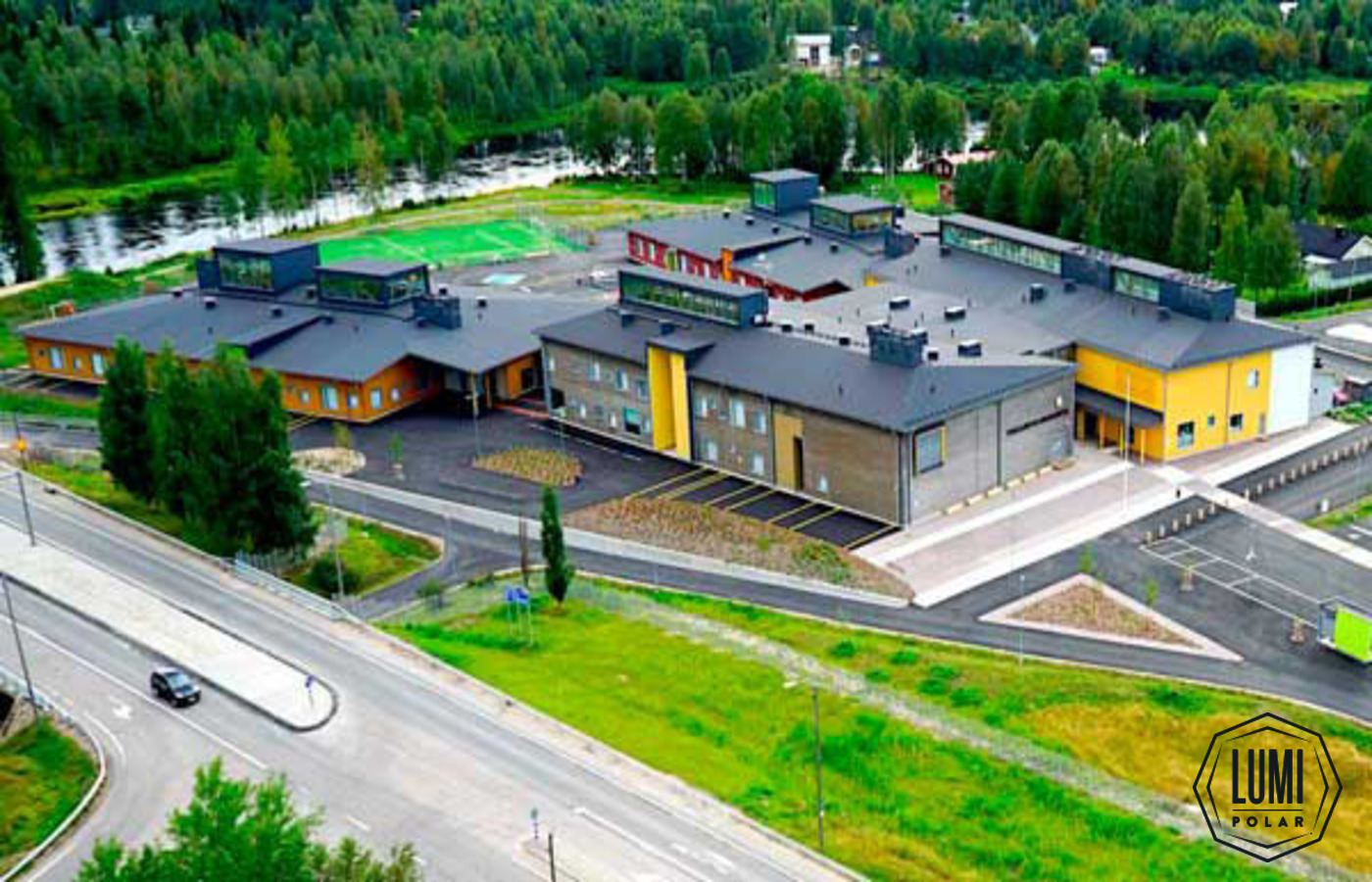
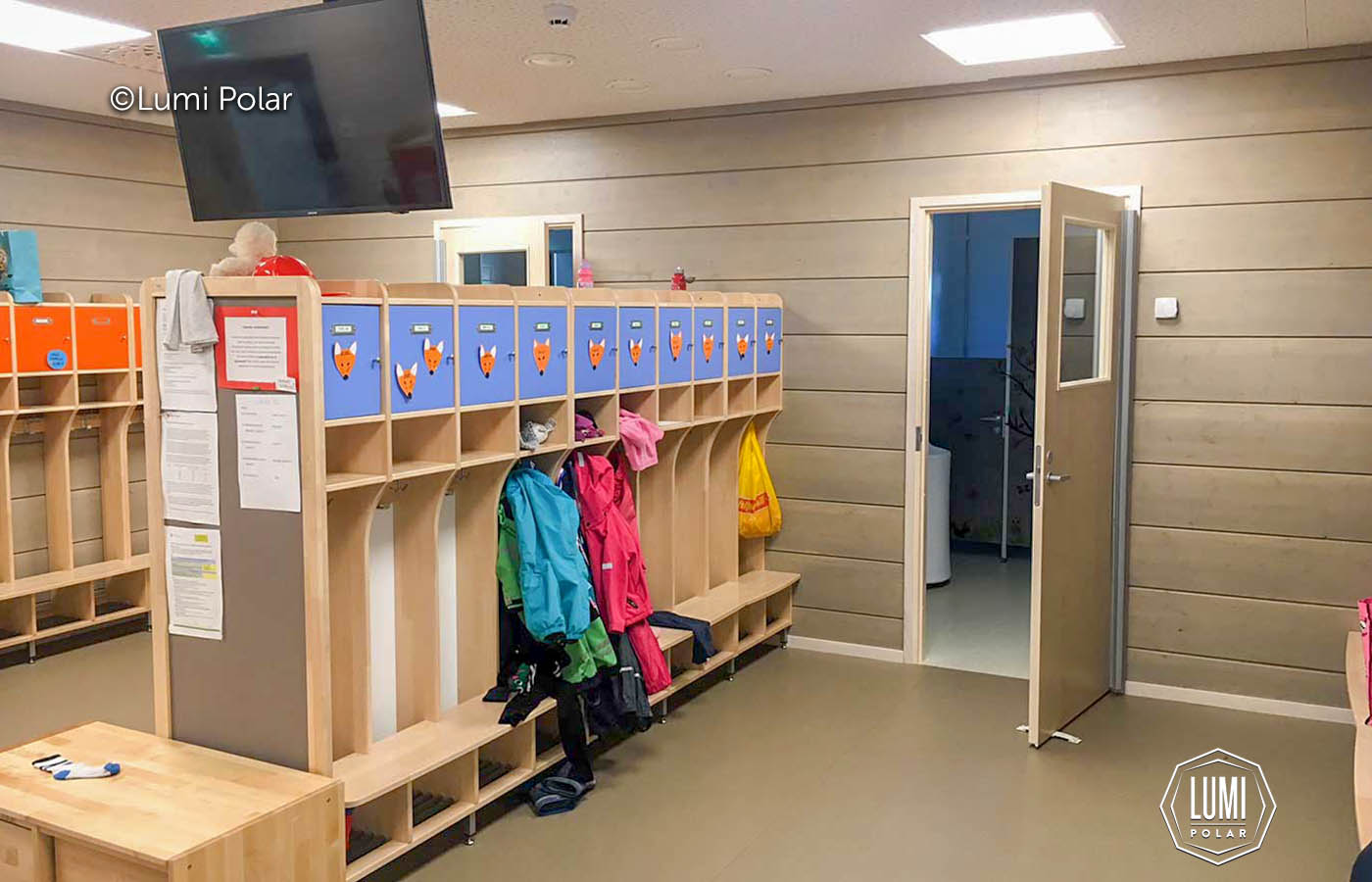
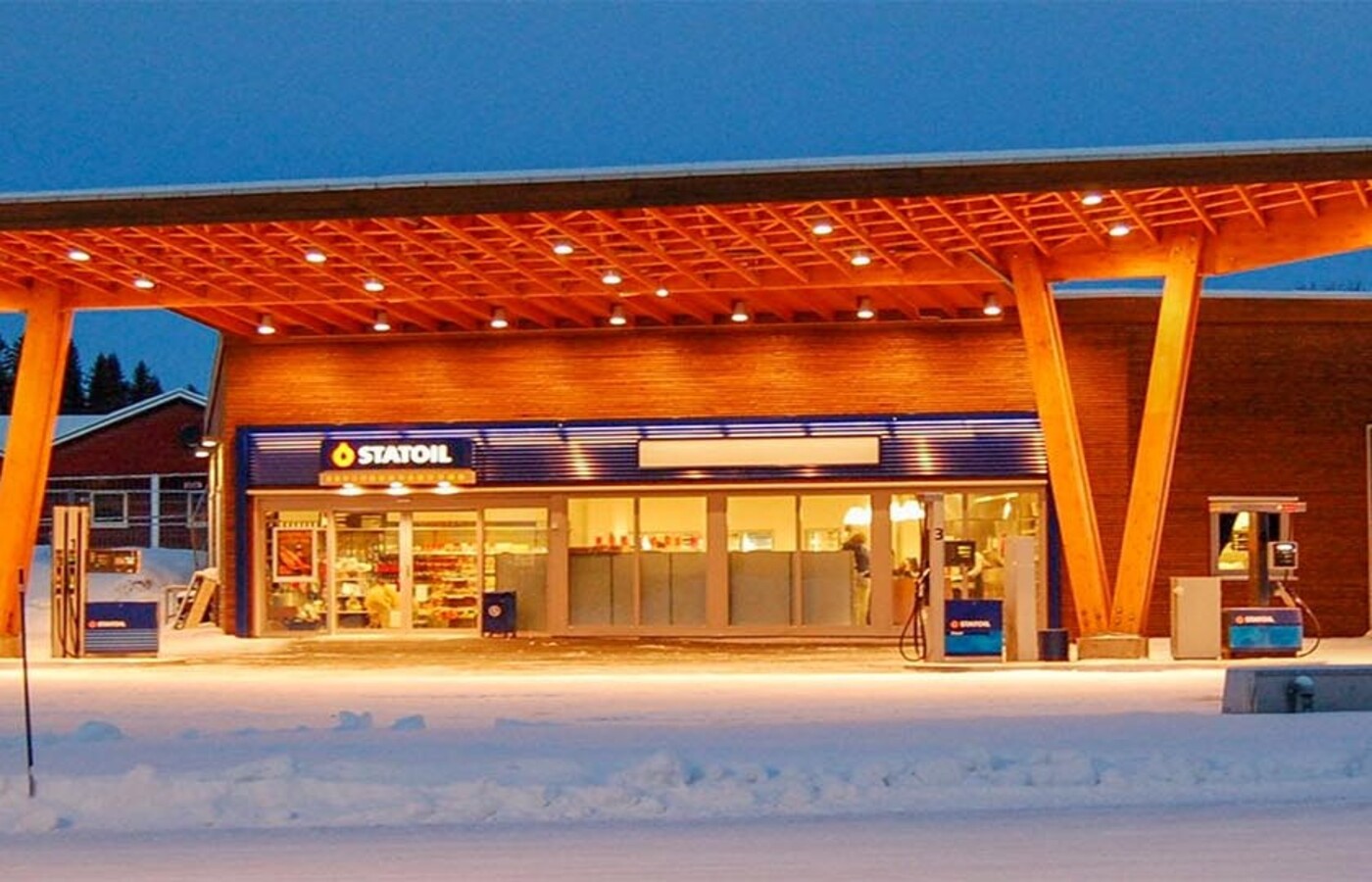
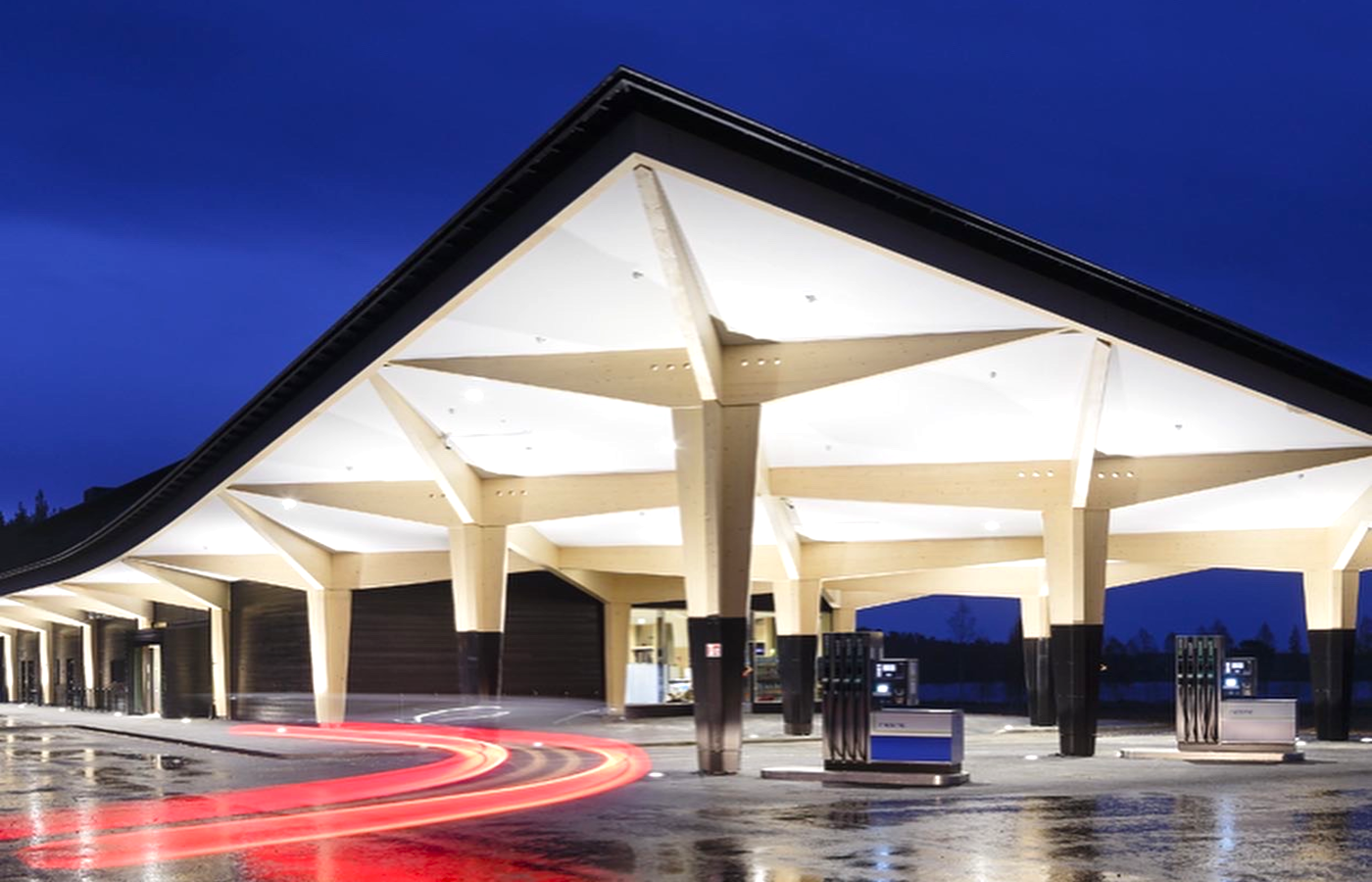
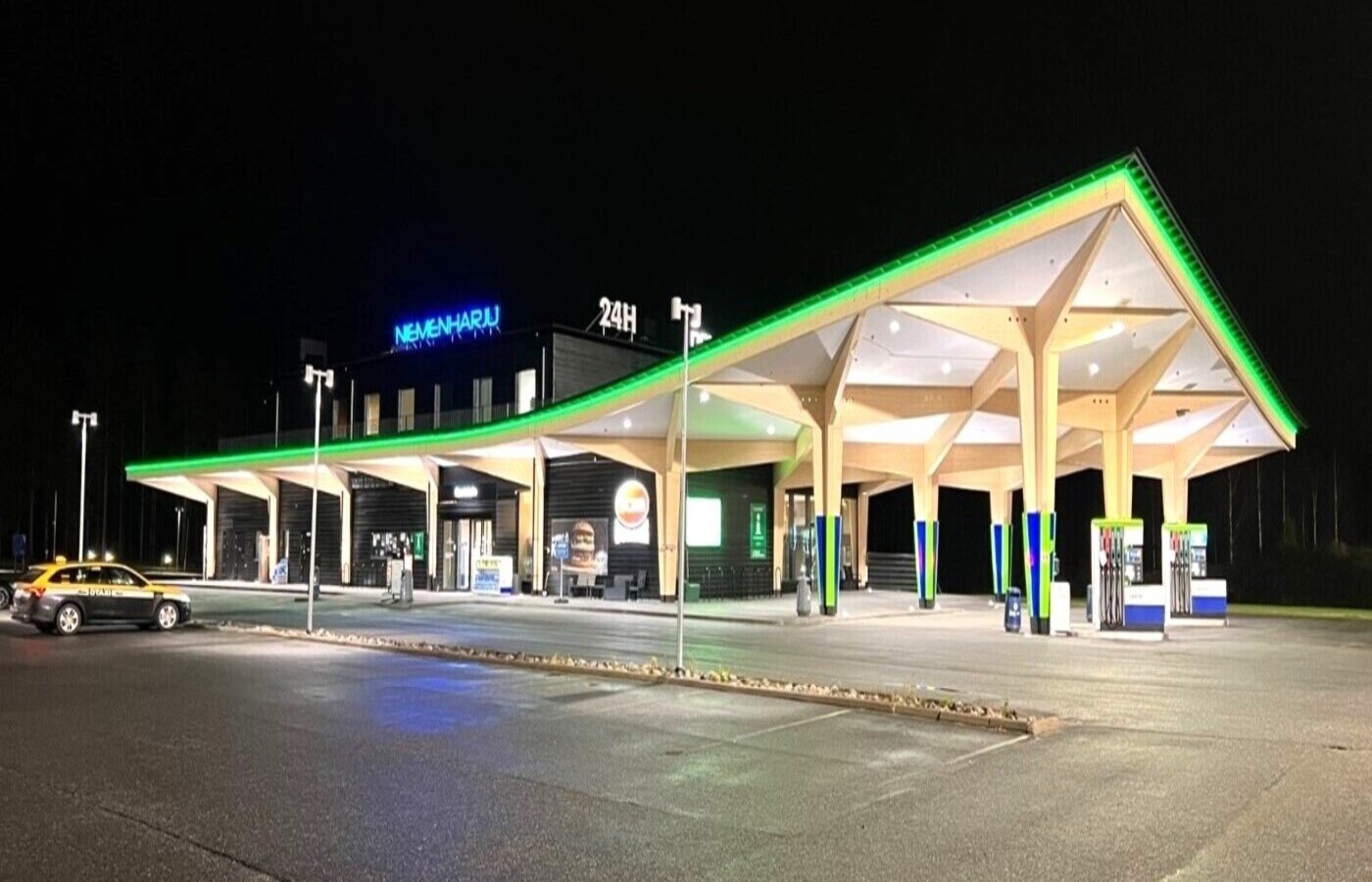
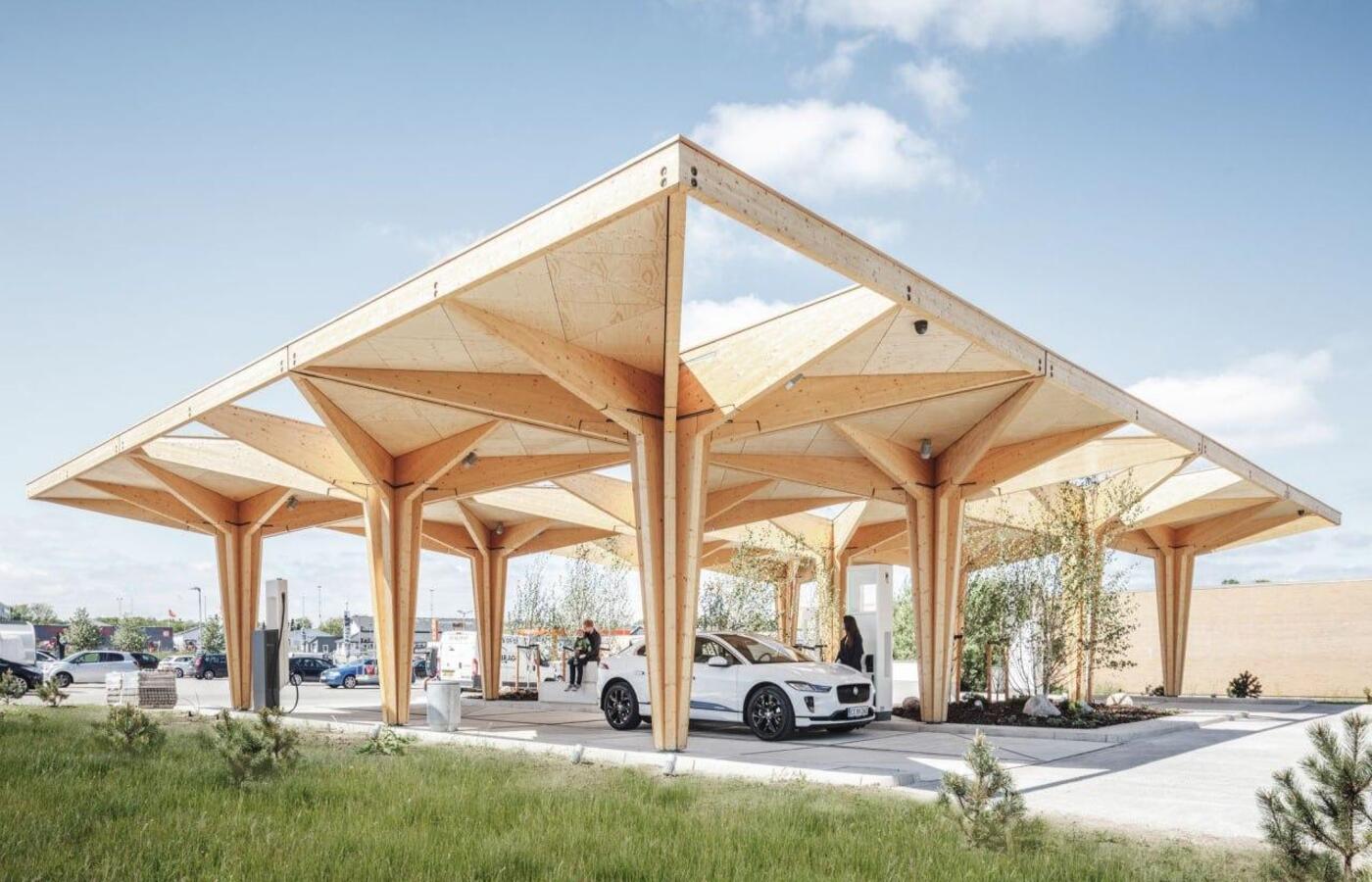
For the same reasons, Finland is seeing extensive construction of kindergartens, schools, multi-storey residential buildings and even petrol stations using glued laminated timber. Now, let's look at each of these seven “mosts” from a scientific point of view.
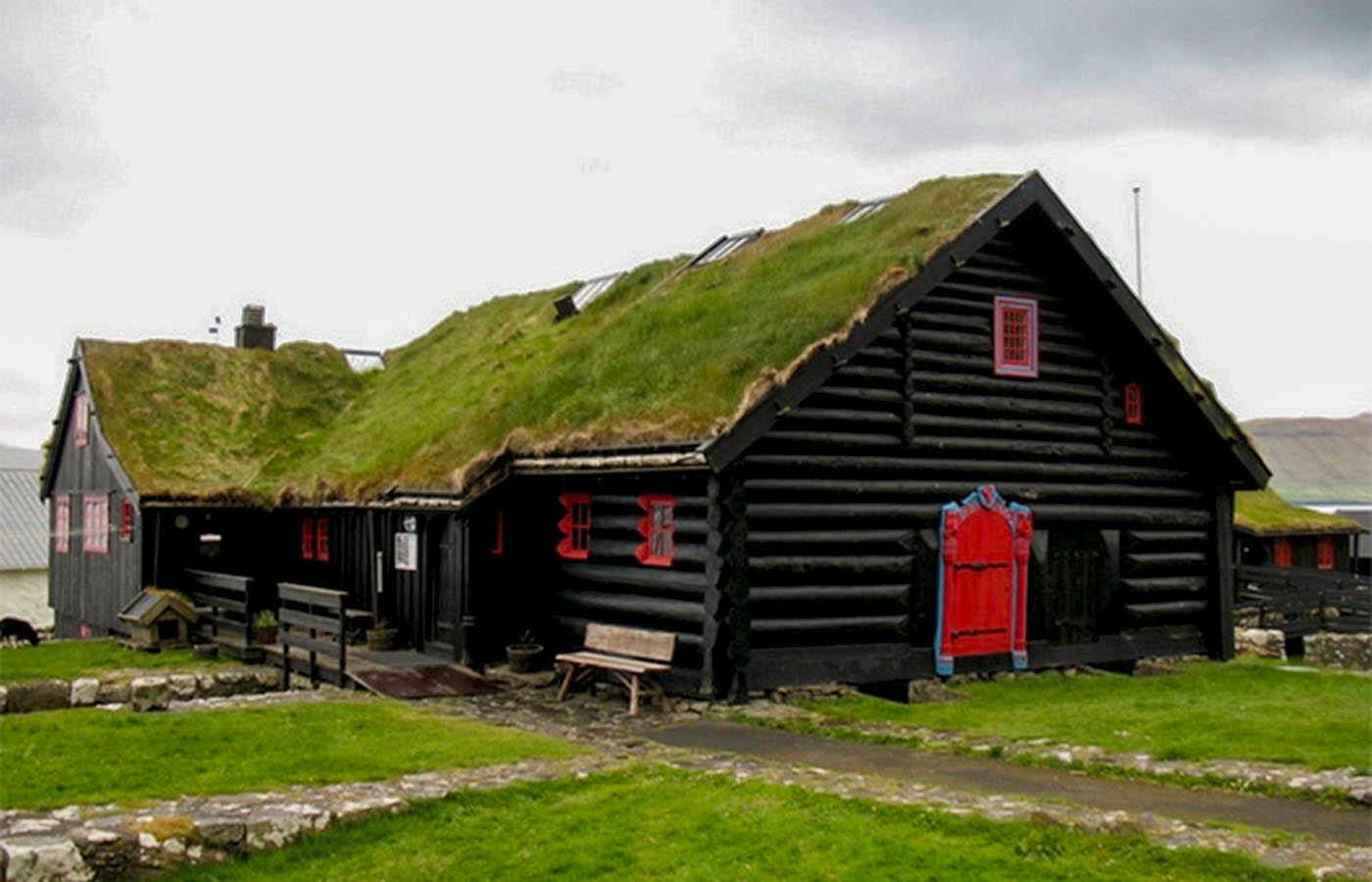
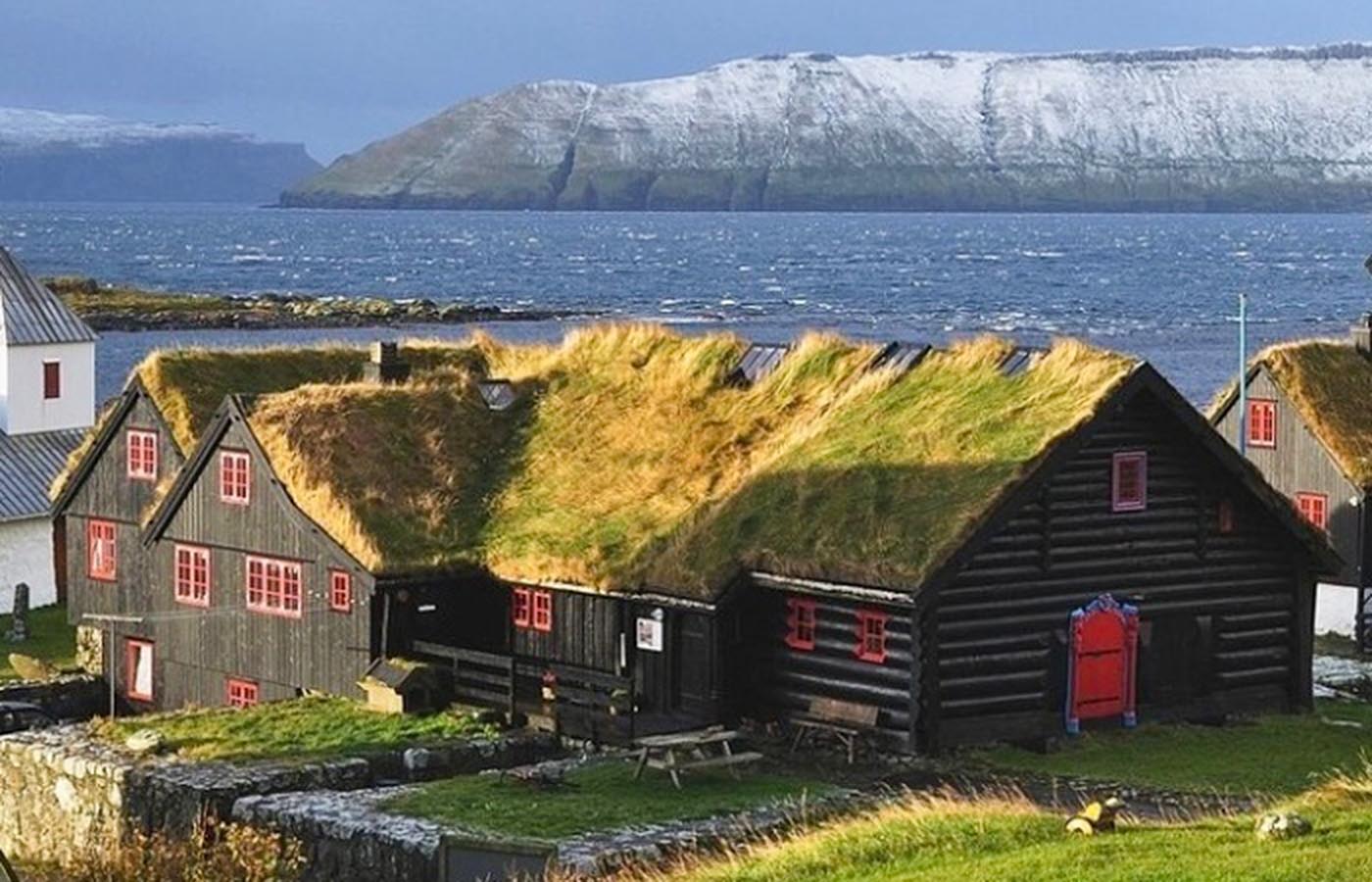
The oldest houses on the planet that have survived to this day are wooden. Wooden houses that are still used for living today are more than a thousand years old! In Denmark, for example, on the island of Streymoy, a wooden building built in the 11th century known as the “Royal Farm” has survived to this day. It still officially belongs to the King of Denmark, and people continue to live there.
FOR COMPARISON:
Stone houses that have survived to this day are a couple of centuries younger than wooden ones. The oldest stone house is considered to be a small castle in France, built in the 13th century in Aveyron. Before wooden and stone houses, people lived in so-called cave dwellings or grottoes of volcanic origin.
The Power of a Wooden House
A wooden house is the oldest, most traditional and most reliable type of building. For centuries, our ancestors favored wood as the most durable, warmest and most beneficial building material.
A wooden house lives together with its owners, giving them the Strength of the Earth and the Energy of the Sun that it has absorbed over decades. That is why our ancestors also believed that wood possessed mystical power.
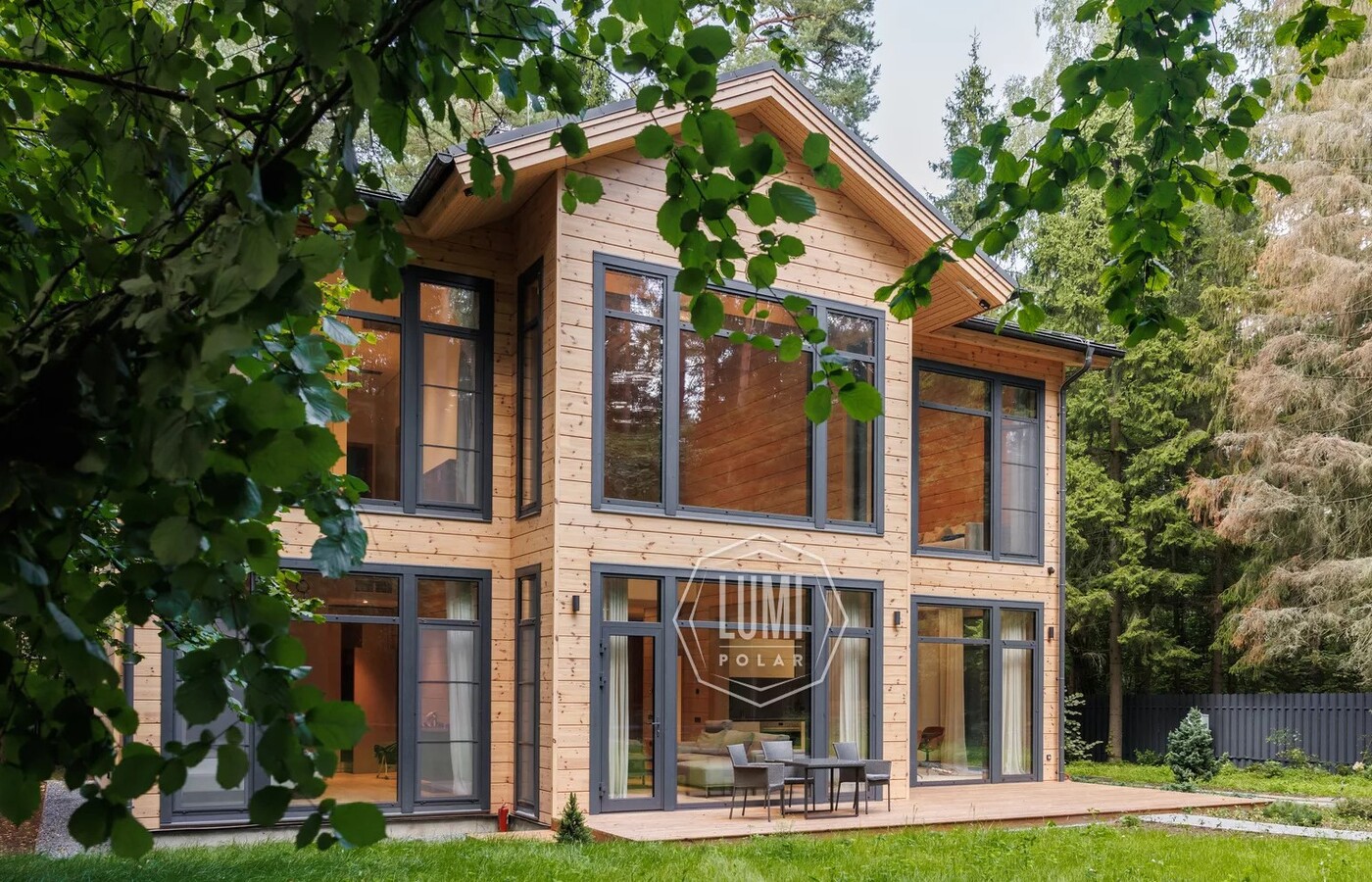
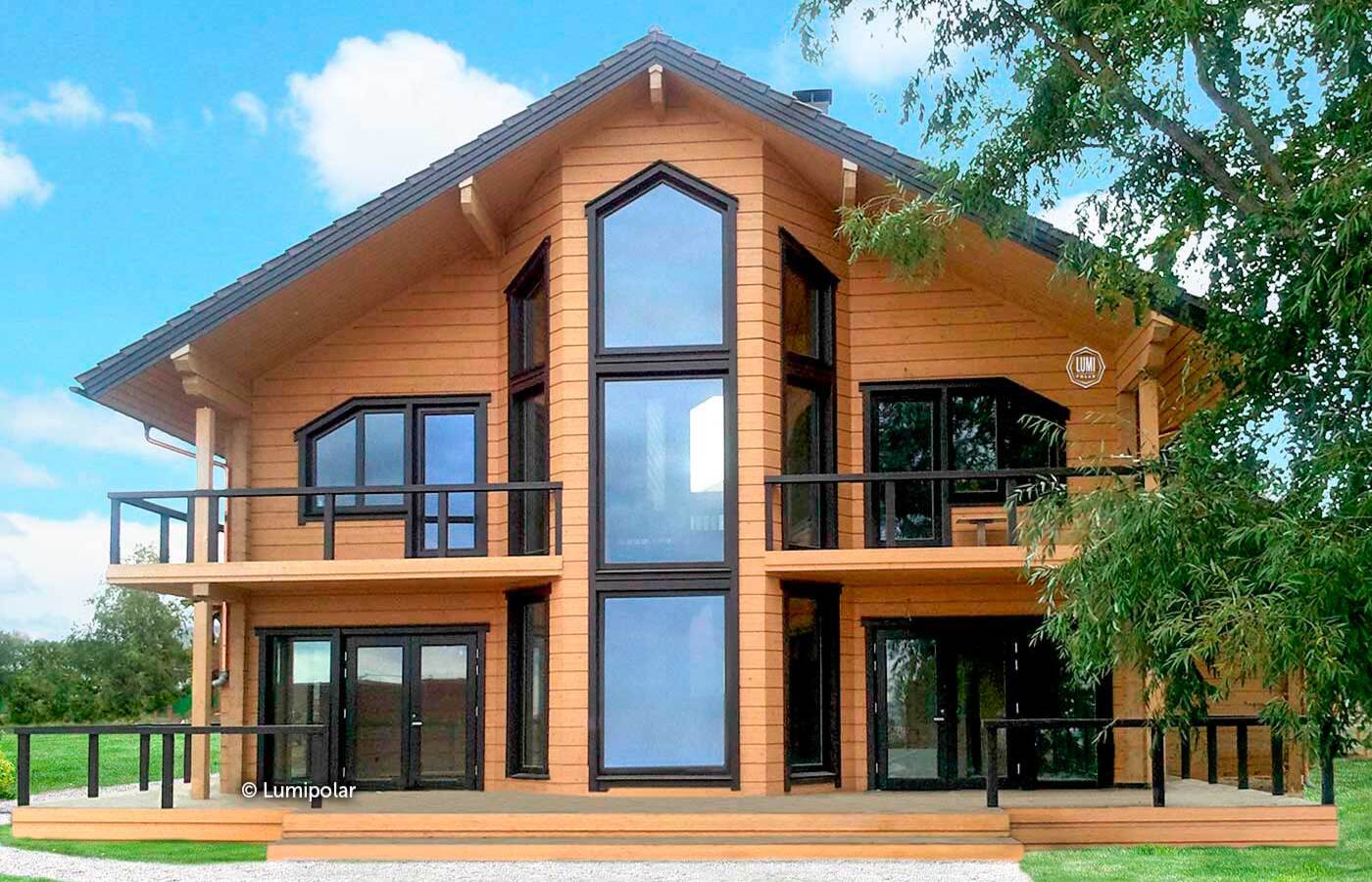
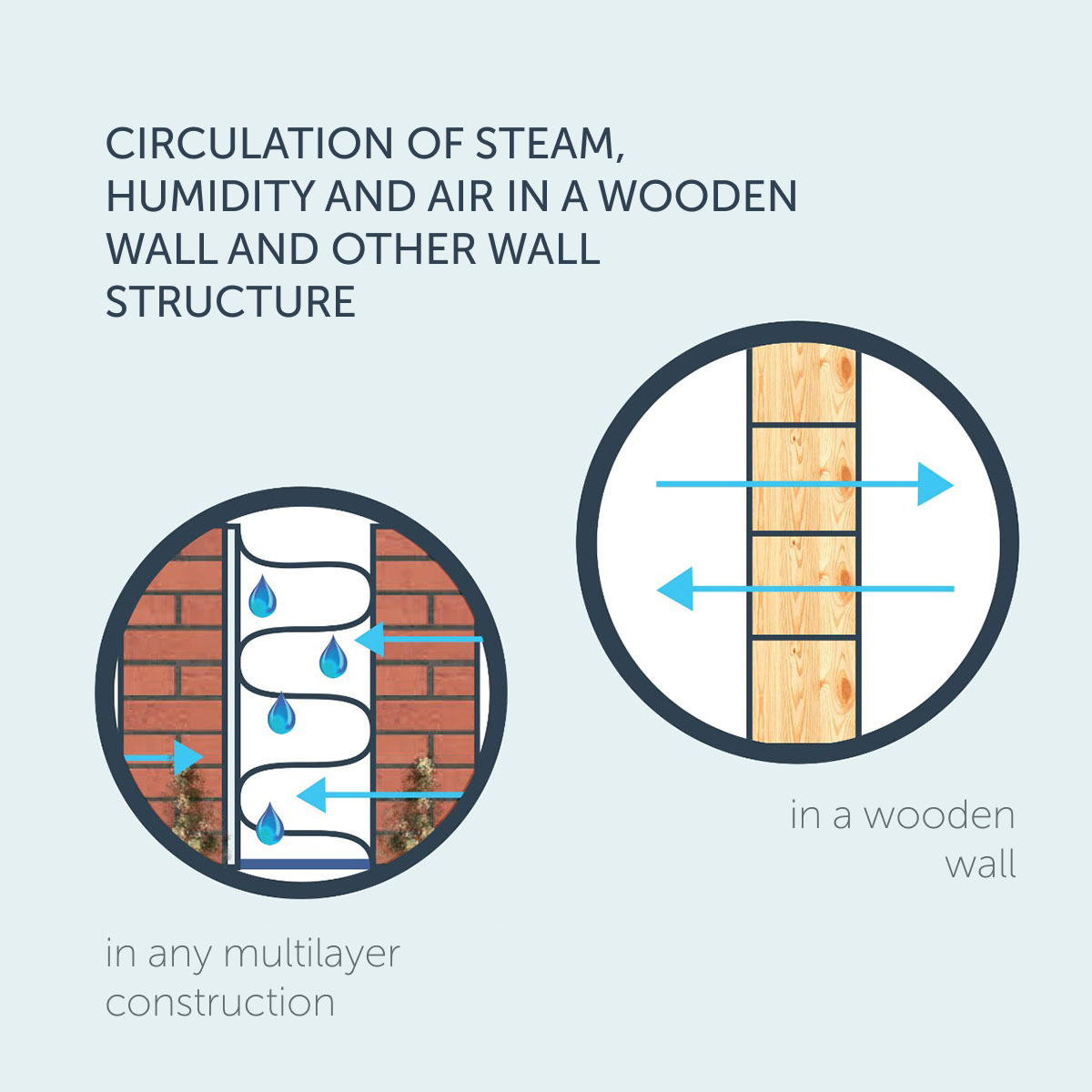
Scientists have proven that natural wooden houses are ideal for health thanks to their natural properties. Wood is a natural material that “breathes” because of its porous structure. Its pores filter air in both directions, thereby purifying the air and removing carbon dioxide, microbes and other pollutants from the house.
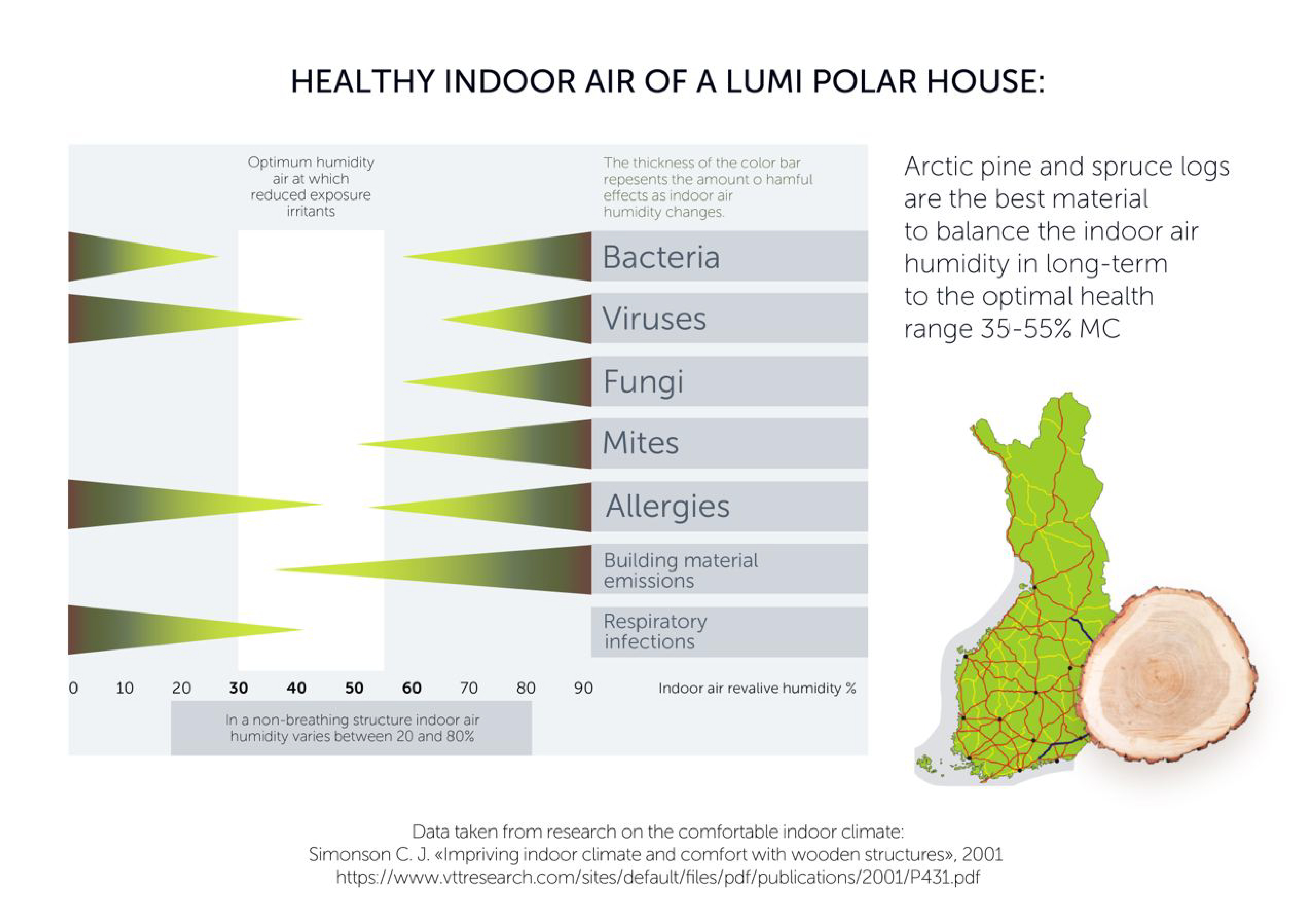
In addition, wood has a unique ability to absorb excess moisture when humidity rises and release it when the air becomes too dry. As a result, humidity in a wooden house always remains at the same level — between 35% and 55%! What does this mean for people and for the house?
If humidity in the house is always between 35% and 55%
For people, humidity of 35–55% is the healthiest level. Such a house always has clean, fresh air. For the structures of the house, humidity of 35–55% is the most reliable guarantee of quality and longevity.
If humidity in the house is above 55%
Mold and black mold begin to develop inside the walls. They are dangerous both to health and to the house, causing deterioration and costly repairs.
If humidity in the house is below 35%
The air becomes too dry, and dust mites and bacteria multiply, contributing to infections and respiratory diseases.
FOR COMPARISON:
the walls of stone, frame, aerated-concrete and other houses contain synthetic substances that release dimethylamines, hydrogen sulfide, ammonia, phenols, benzenes and other substances into the air (more than 400 compounds), increasing people's susceptibility to various diseases.
In addition, unlike wooden houses, stone and frame houses experience enormous fluctuations in humidity — from 20% to 80%, because their walls consist of multilayer structures and often “non-breathable” synthetic materials.
First, the danger of any multilayer construction is that sooner or later moisture will penetrate it (water always finds a way). Over the years, such structures can become saturated with moisture, which leads to the development of fungus and dangerous black mold.
Second, such significant fluctuations in humidity are especially harmful in winter because of heating, as moisture that condenses inside the walls freezes and causes cracks.
Aspergillus niger – a beautiful name, frightening consequences
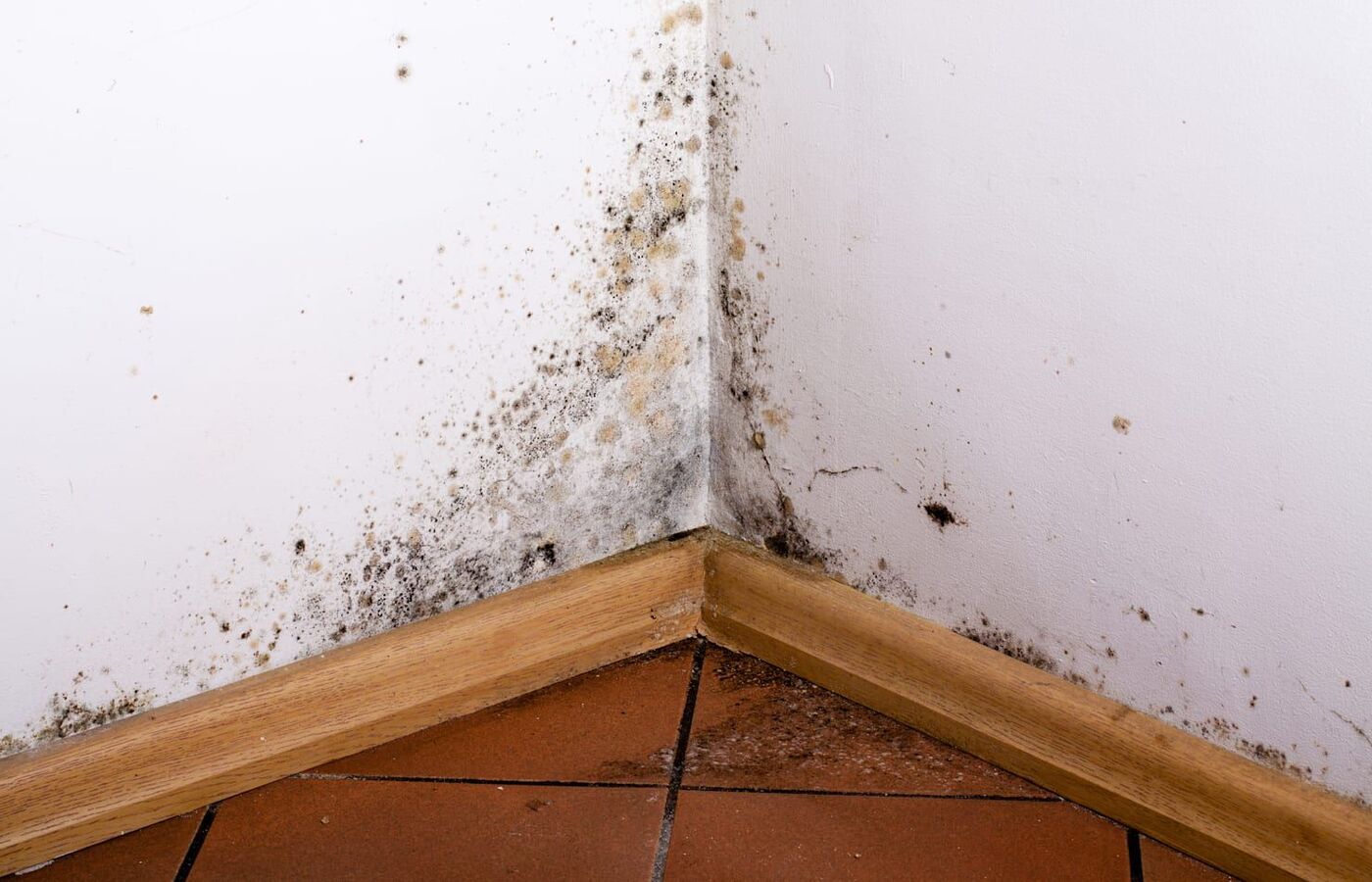
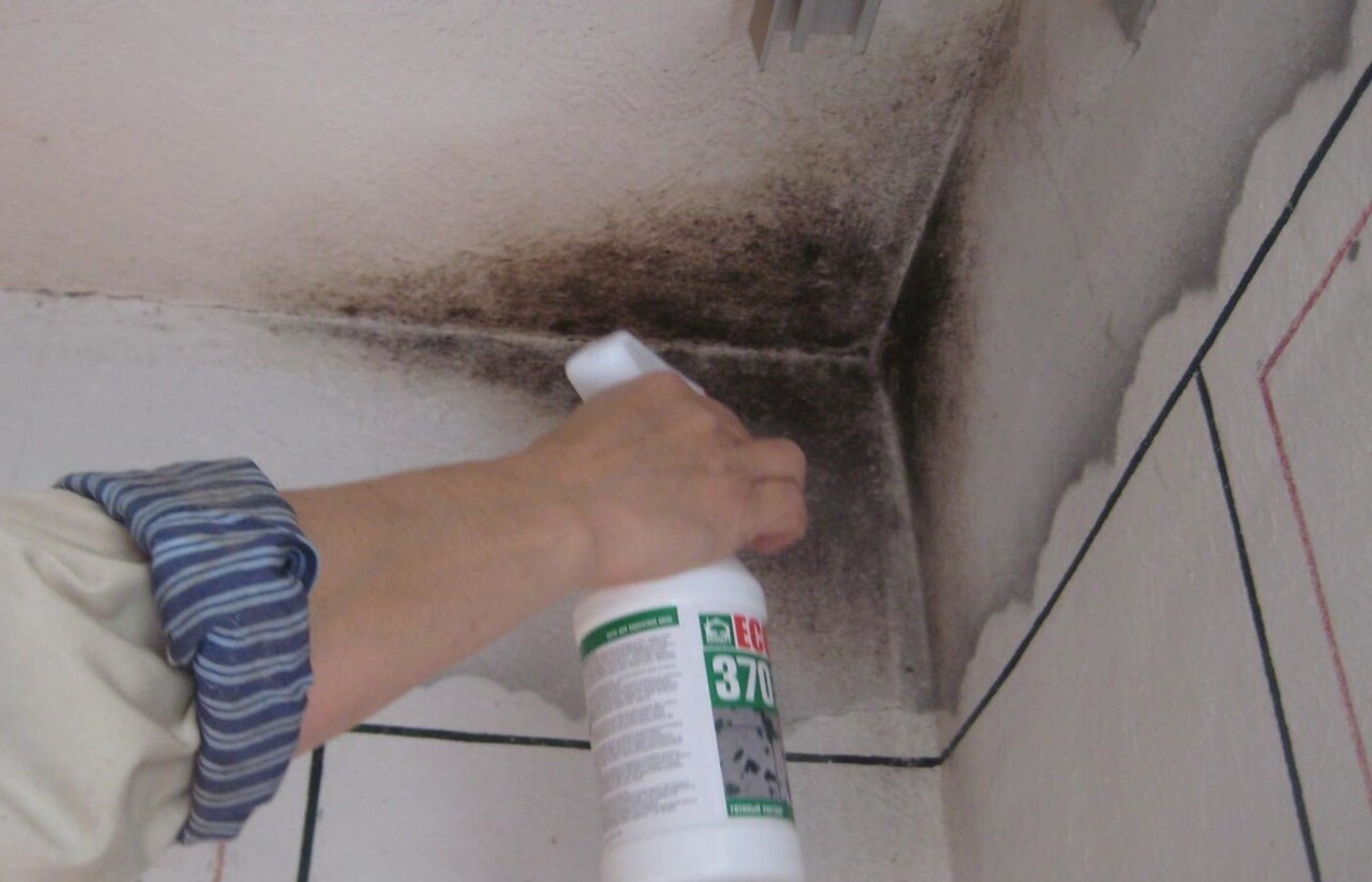
Aspergillus niger and other Aspergillus species are black mold, the nightmare of every homeowner. It is not simply dirt that can be washed away and forgotten, but an unpleasant saprophyte that develops in places with high humidity.
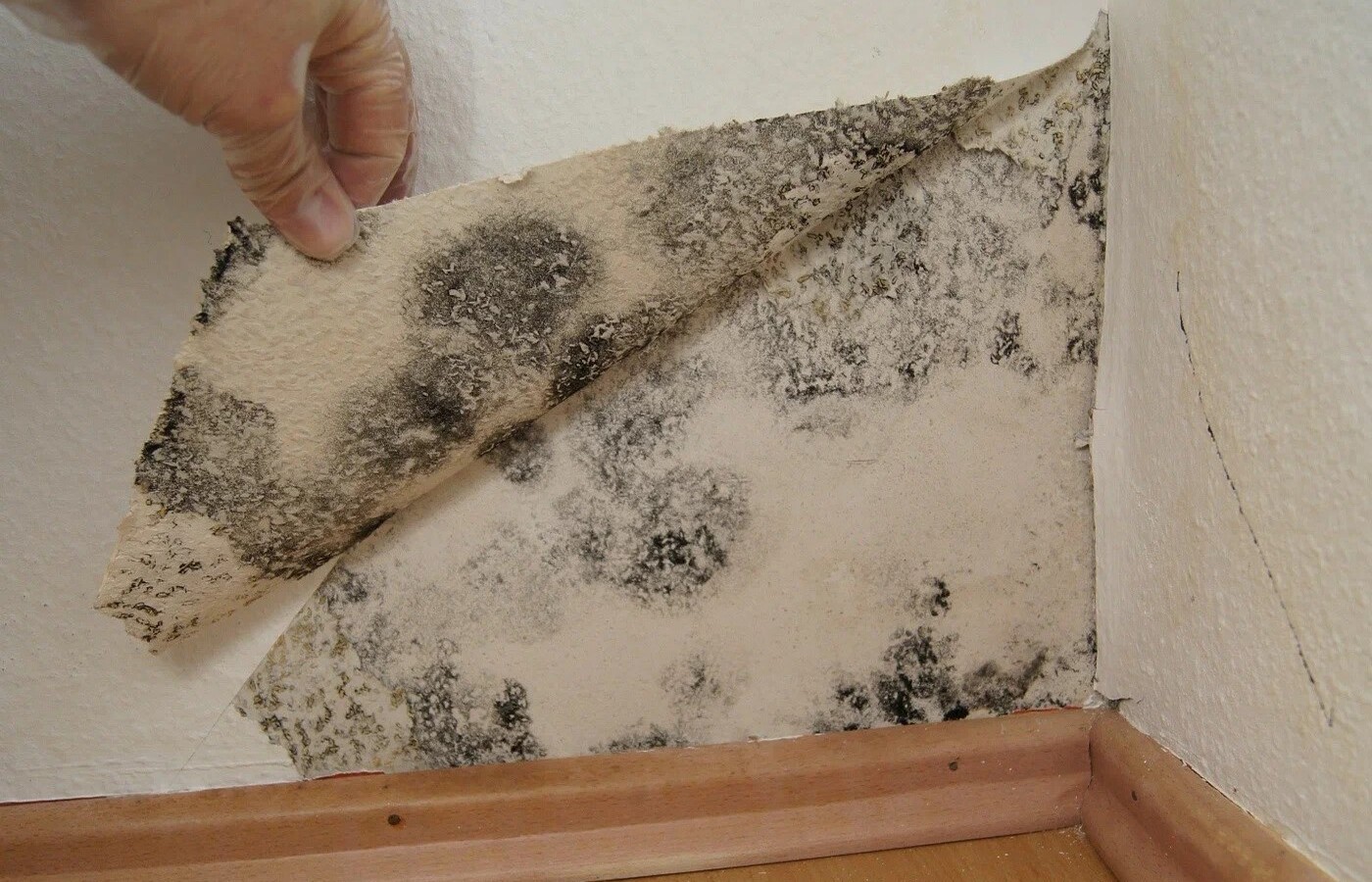
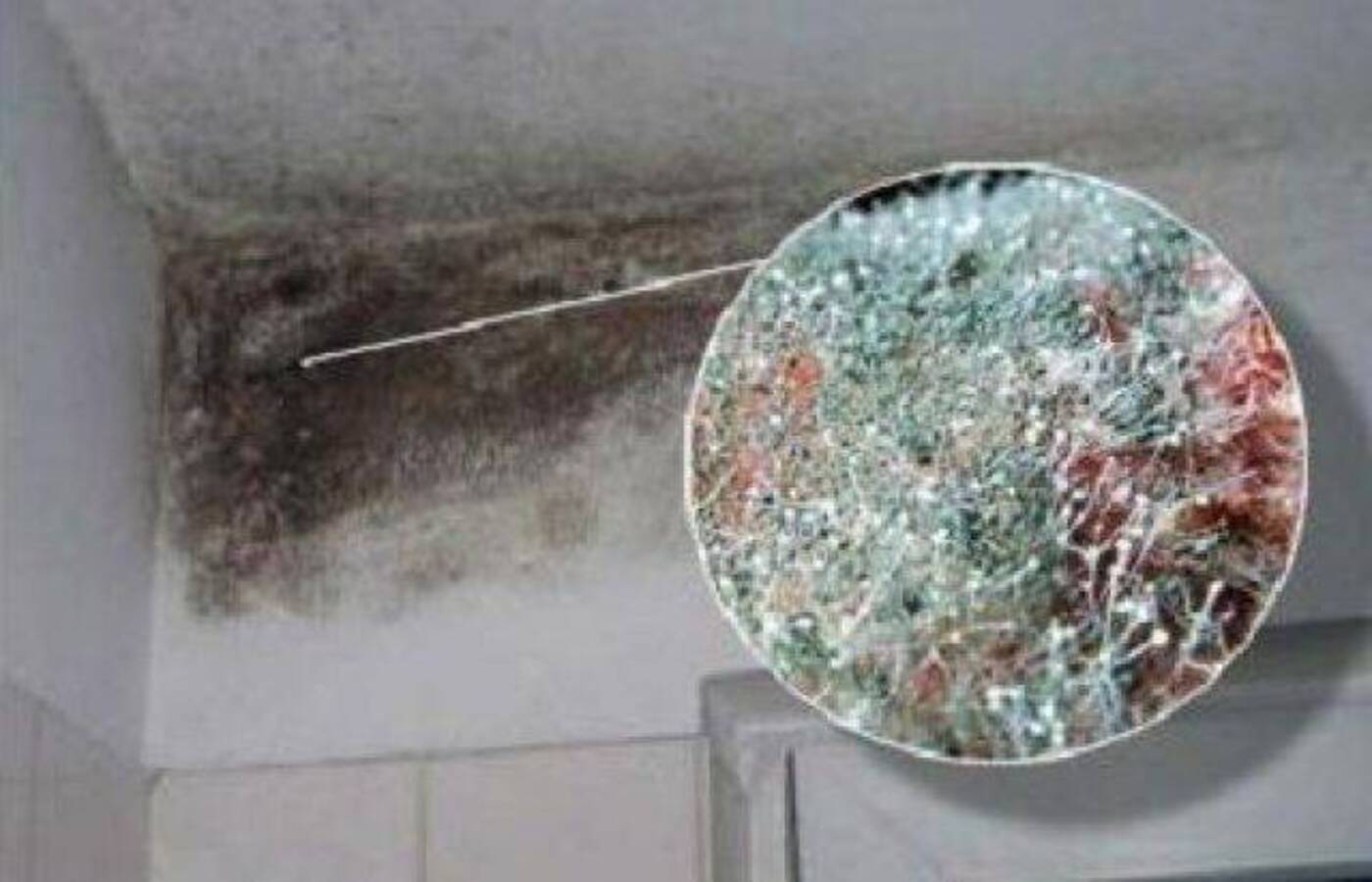
Black mold literally harms health and destroys house structures, turning them into crumbling material. It first appears around foundations, roofs, windows, joints and corners, which is why their quality, careful installation and particularly thorough insulation are so important.
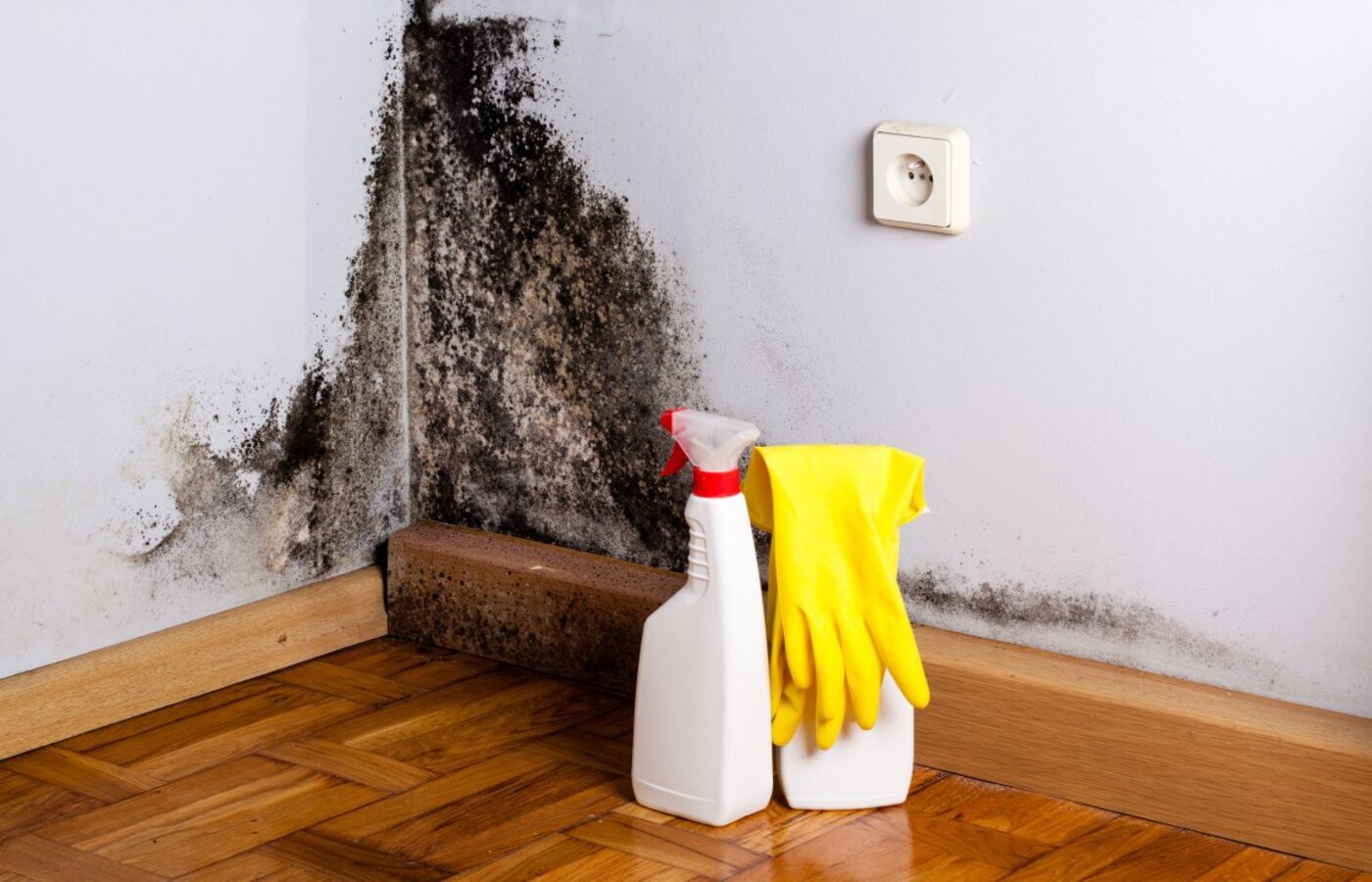
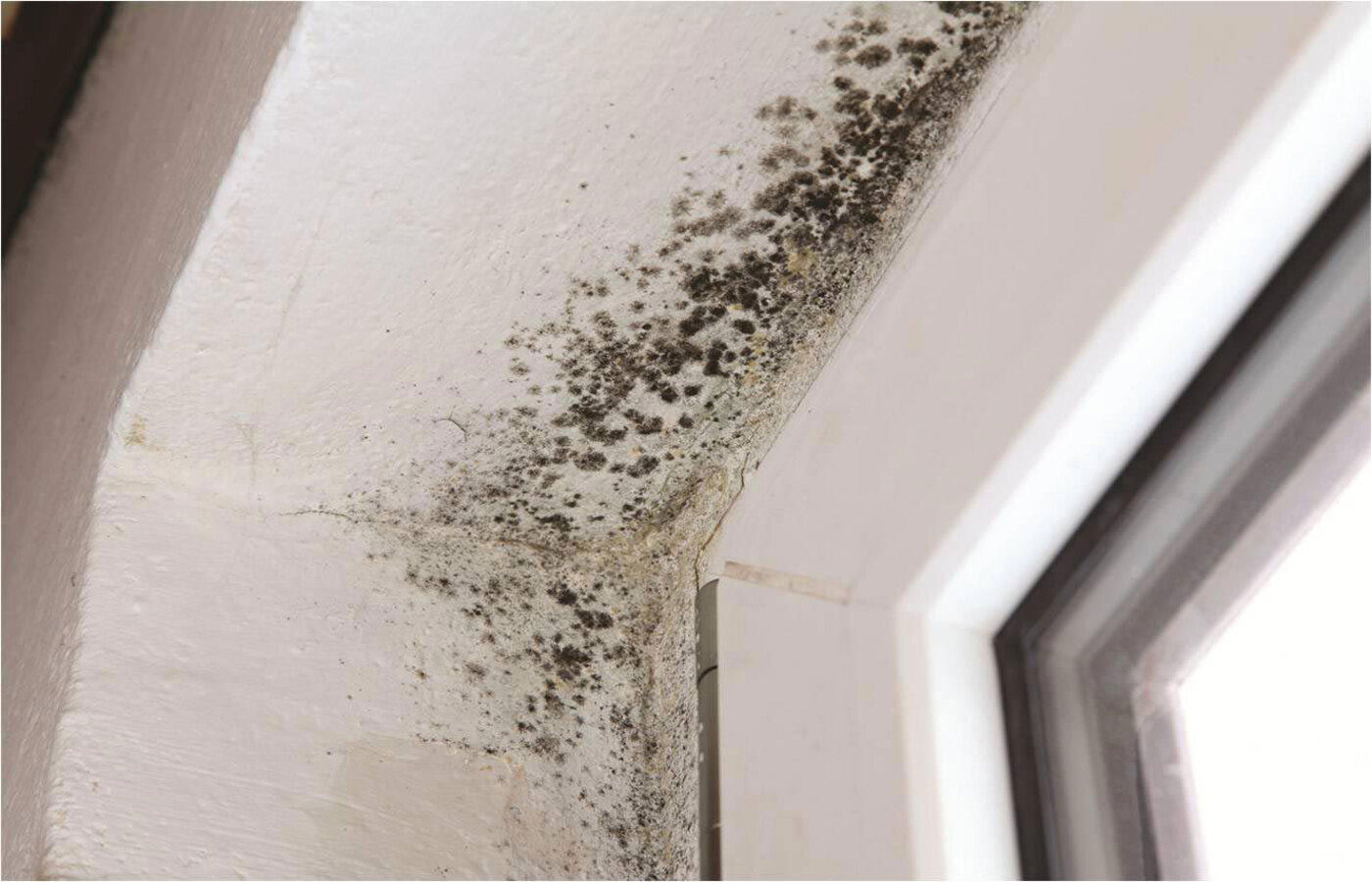
If anything has a defect or even a minor imperfection, moisture enters the house, air exchange is disrupted and condensation accumulates, resulting in black mold developing and spreading quite quickly.
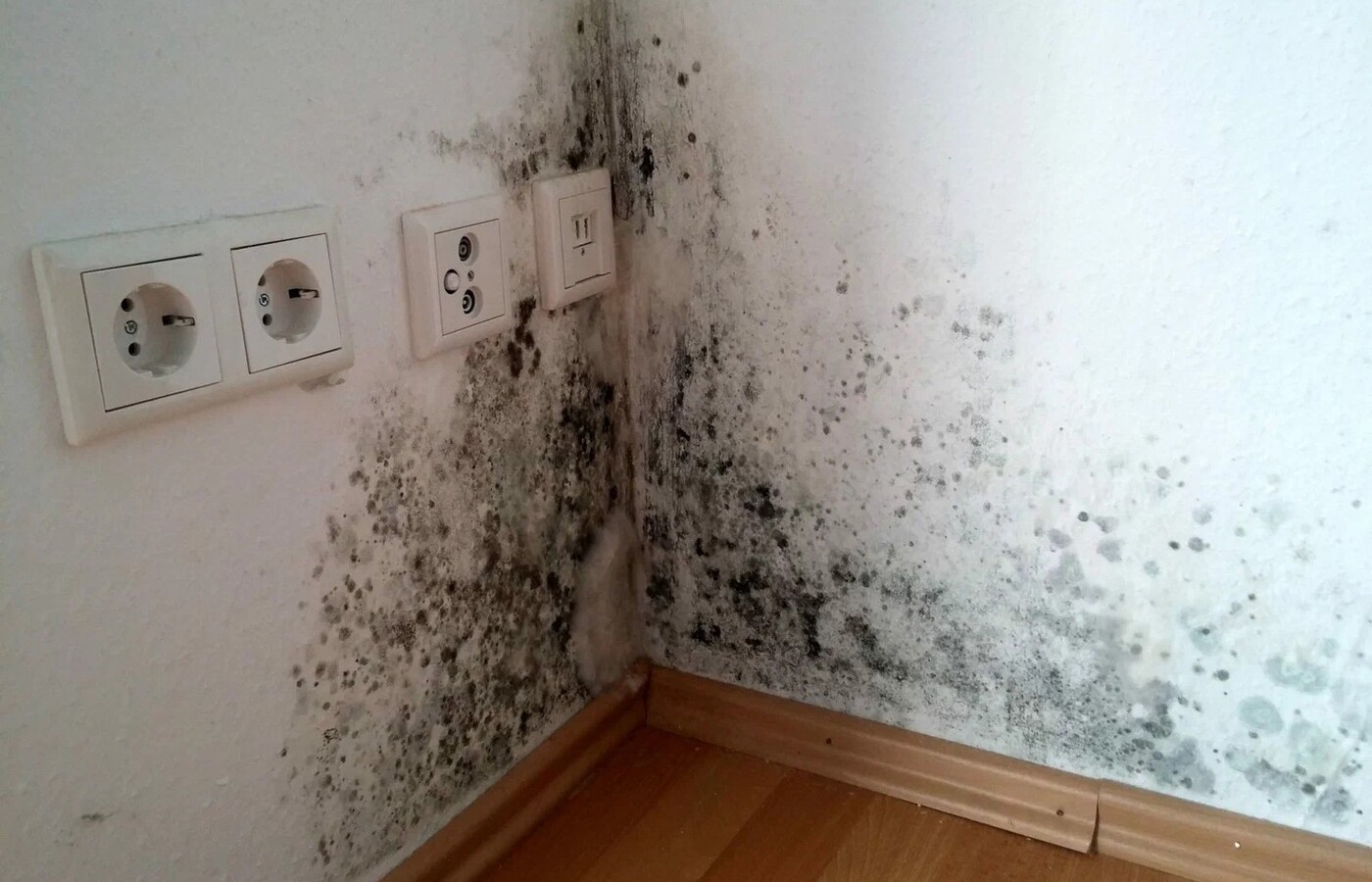
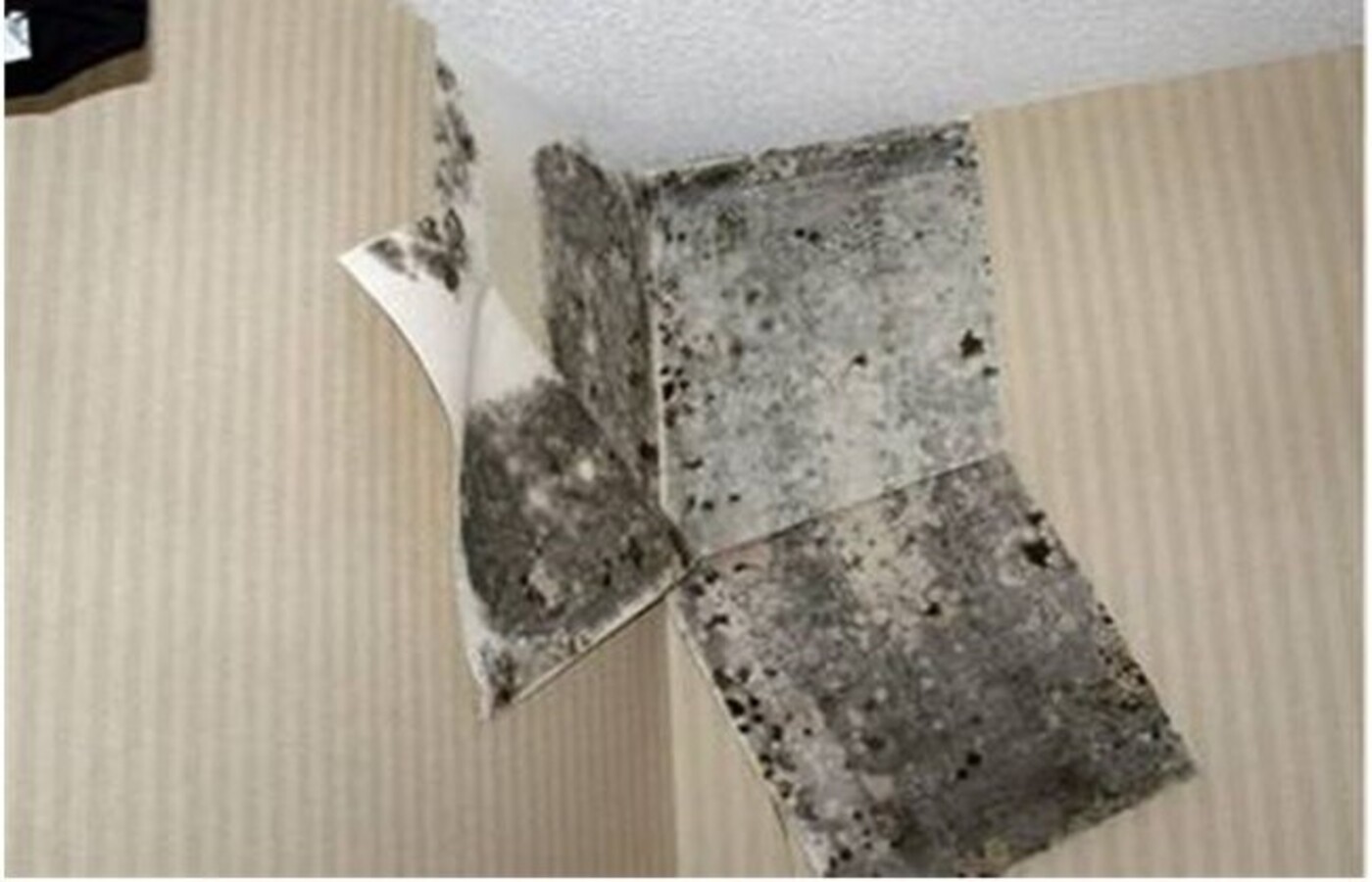
Black mold – a serious threat to health
In Finland, when it appears, houses are demolished immediately because fighting it is considered pointless — it cannot be eliminated by any means, and no repairs will help. IMPORTANT: the more synthetic materials there are, the greater the likelihood that they will become saturated with moisture; fungus and mold appear faster, houses become colder and deteriorate, and their service life becomes shorter. Aerated concrete deteriorates the fastest, because it is the lowest-quality, most moisture-prone and coldest material.
Finnish Lumi Polar log house – the smartest and safest choice
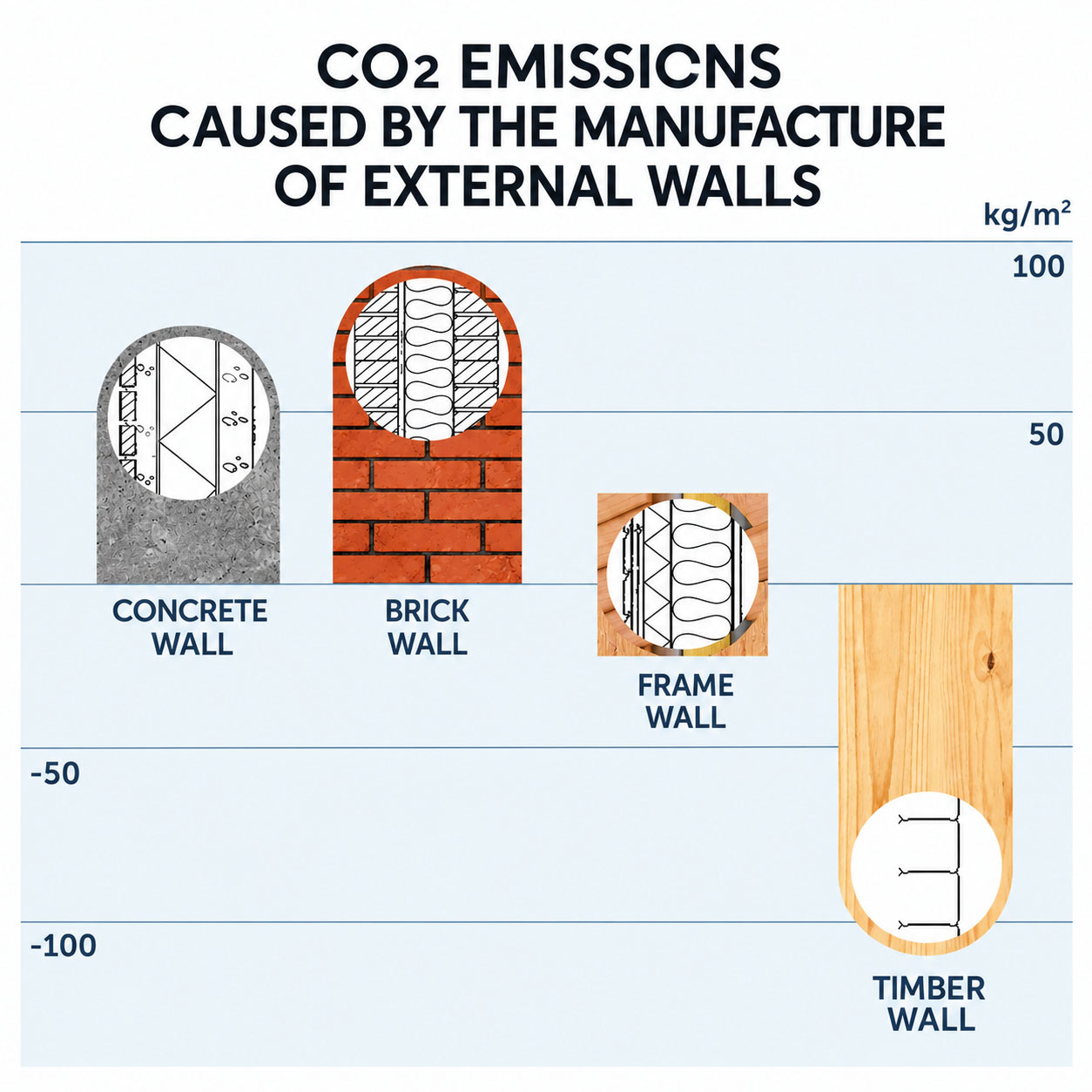
According to research conducted by VTT (Technical Research Centre), timber is recognized as the only building material whose production generates more energy than the manufacturing process consumes.
Approximately 0.5 kg of carbon is contained in 1 kg of wood. This carbon is “locked” in the wood from 1.8 kg of carbon dioxide (1.8 kg CO2 = 0.5 kg C + 1.3 kg O2). Log houses do not consume energy and do not produce carbon dioxide emissions throughout their entire life cycle.
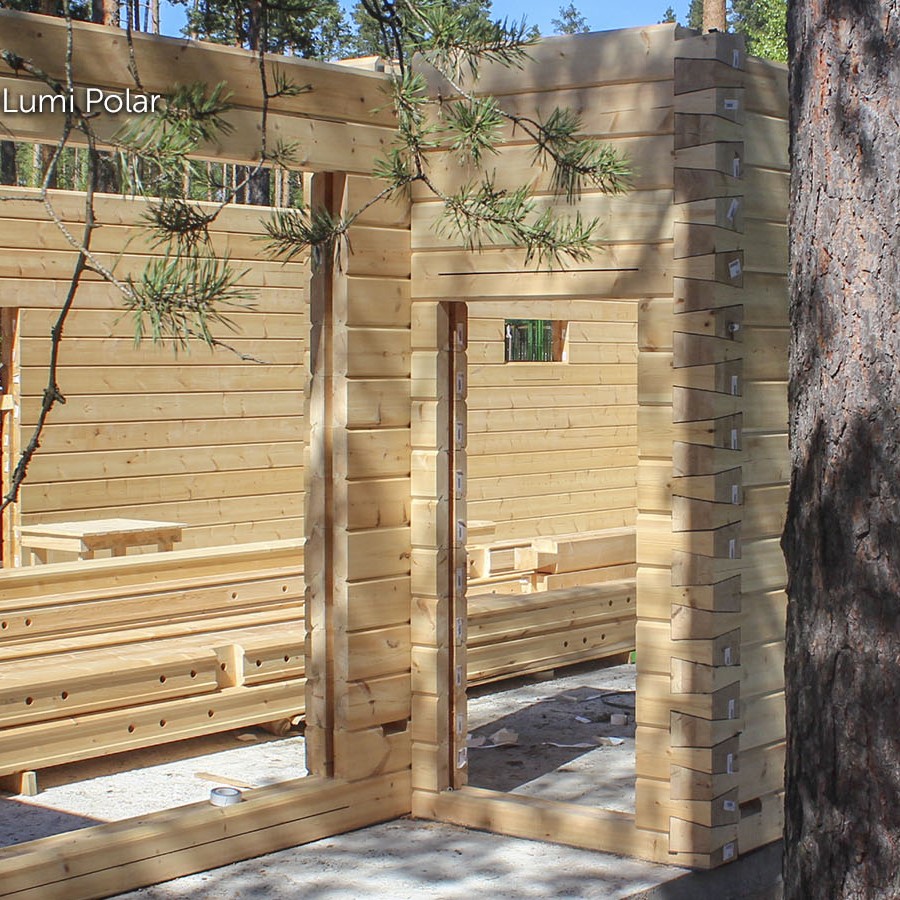
The 100% environmental friendliness of timber is especially important
If synthetic adhesive is used during the gluing process, or if the timber is impregnated with antiseptics or any other substances, the wood loses all of its natural properties and becomes a toxic building material, potentially even more harmful than synthetic materials. Treating natural wood with chemicals is both unnatural and a serious mistake.
To preserve the unique natural characteristics of wood, we use expensive European eco-friendly adhesives and do not treat the timber with anything — neither antiseptics nor other wood-protection products, including fire-retardant treatments — because today all of them contain numerous harmful chemical substances, with phenols and formaldehyde among the most dangerous.
We do not treat either the timber or the finished houses with anything, because high-quality Finnish top-grade timber does not require any impregnations.
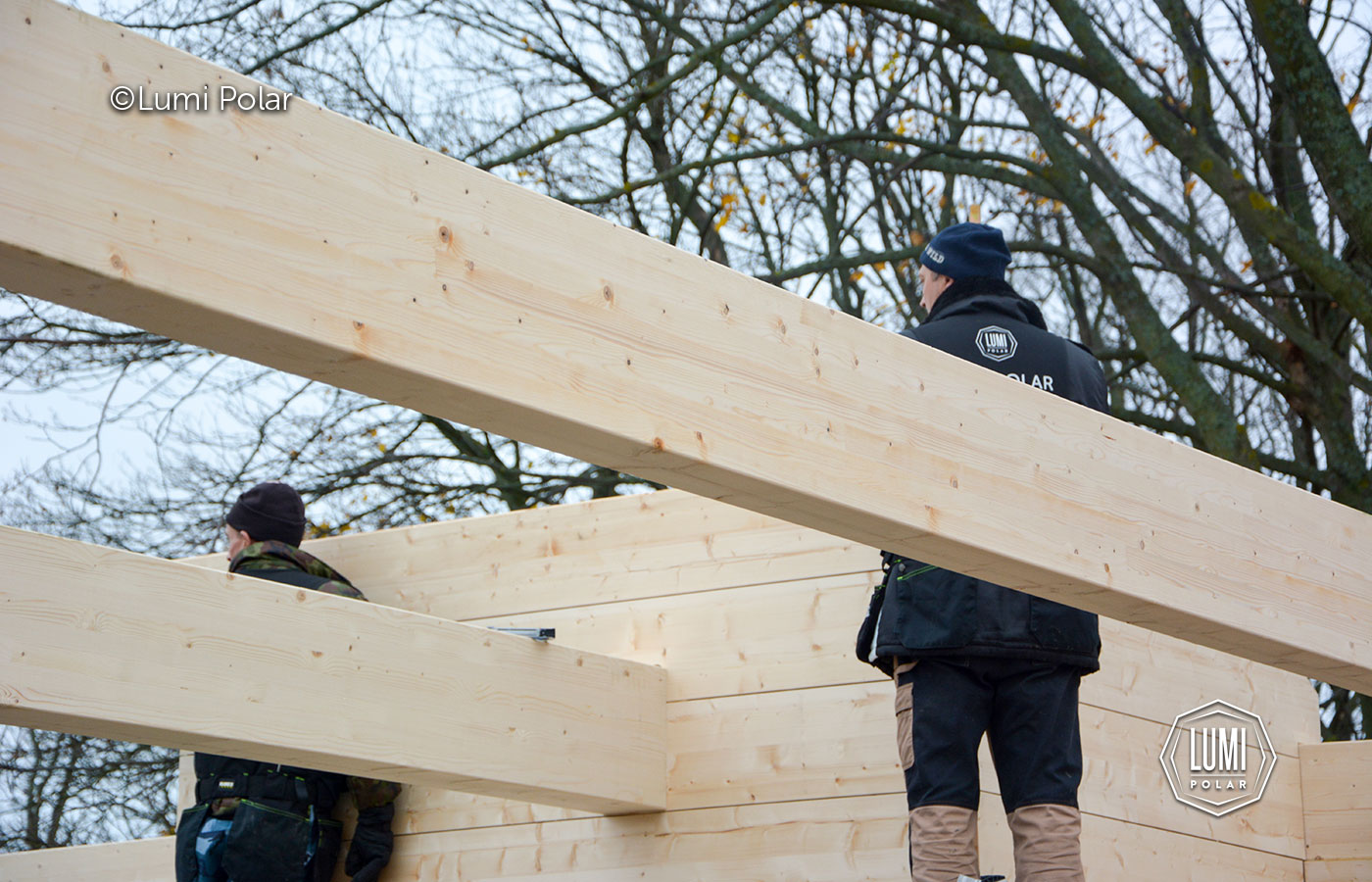
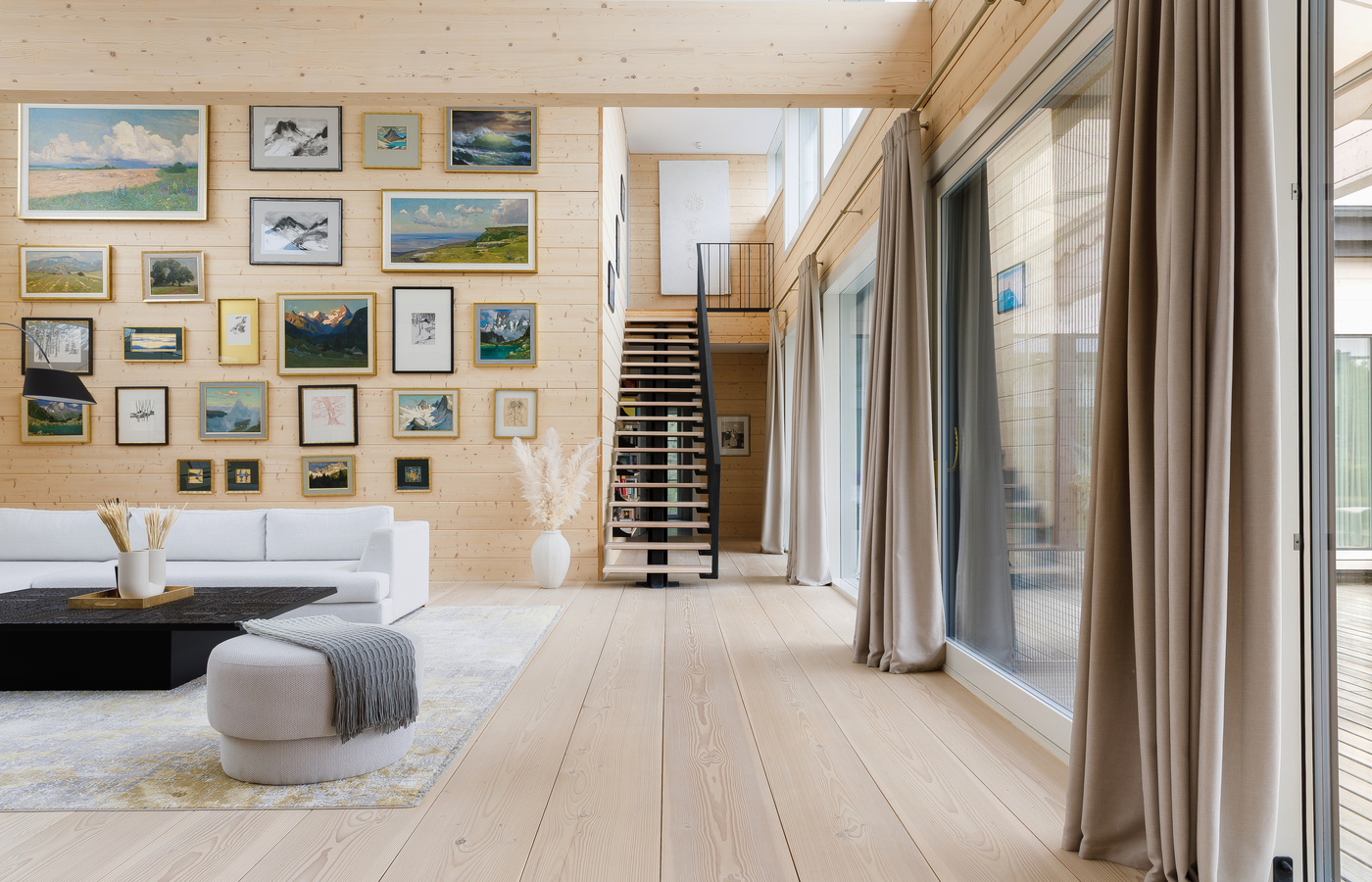
100% environmental friendliness of timber – a lifelong guarantee of durability
Wood is a unique natural building material with no equal. Ancient people worshipped trees — they generously shared with humans the energy and strength they had accumulated over many years. Ancient traditions say that wood clears the mind, gives health and brings happiness to the heart.
Our Finnish wooden houses are built to last for centuries. They are a genuine investment in a healthy future that can be passed down from parents to children for generations. Leave your own centuries-old legacy.
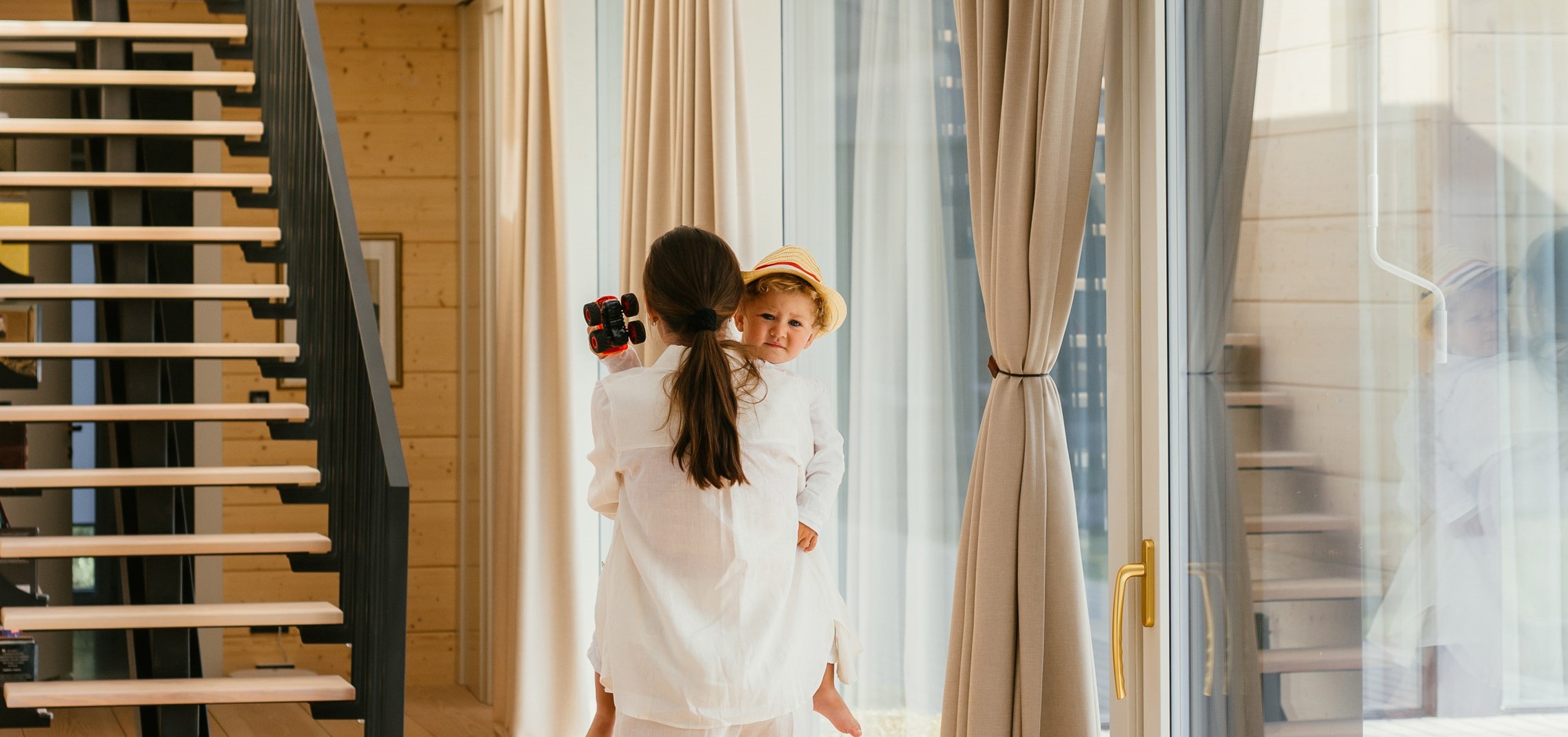
Wood is the warmest building material. Even to the touch, wood feels warm — something that cannot be said about other building materials.
We build houses from spruce and pine, which, thanks to their porous structure, belong to medium-density wood species and have excellent thermal insulation properties. The cells of spruce and pine have an amazing ability to retain and preserve heat.
 Pine
Pine
 Spruce
FOR COMPARISON:
houses made from hardwood species, such as larch or oak, are much colder because their structure consists not of cells but of dense, hard fibres with lower thermal insulation properties. The harder the wood, the colder the house. Our houses made from spruce and pine are the best choice for living on the land.
 Pine
Pine
 Spruce
The most energy-efficient
Thanks to their natural properties, log houses are not only the warmest but also the most energy-efficient. There are no colder or synthetic materials in the walls besides wood, and there are not even any “thermal bridges”, because all intermediate elements required in construction to fasten structures and components are made exclusively of wood or other eco-friendly materials.
The coolest in summer
In a wooden house, there is no need for ventilation systems or potentially harmful air conditioners (only exhaust ventilation from humid rooms is sufficient), because the most comfortable temperature is maintained throughout the year — warm in winter and cool in summer.
Because the “breathing” cells of wood regulate fluctuations in humidity and allow air to pass in both directions, natural air exchange takes place inside the house, and the house does not overheat even in hot weather.
Can air conditioners really be dangerous?
This has long been known. In Europe, for example, ventilation systems in buildings are cleaned regularly, while in large buildings they may be cleaned twice a week. One of the most convincing examples of this is the number of people who have become infected with coronavirus on cruise ships and airplanes.
Air is becoming a precious commodity
According to research, despite the fact that urban air is polluted, the air outdoors is seven times cleaner than inside apartments, due to the harmful synthetic compounds found in modern construction and finishing materials. People's immunity decreases, they complain of a lack of energy, suffer from allergies, and so on.
Scientists state that the most serious harm to the human body is caused not so much by poor-quality food and water as by polluted air (we eat three or four times a day, but we breathe every second).
It is commonly believed that a wooden house is the easiest type of building to catch fire. In reality, the opposite is true. According to tests conducted, wood withstands fire more reliably than brick, stone, concrete and other building materials.
Have you ever visited central Finland? Here, you will often come across petrol stations built entirely of wood. Paradoxically, they are built this way precisely for fire safety reasons.
Remember how you light a campfire
First, even firewood will not catch fire without paper and thin twigs, whereas we are talking about first-class glued laminated timber, which simply cannot be set on fire easily.
Second, fires do not normally start because the walls catch fire. It is the finishing materials, curtains, furniture, carpets and other “light” coverings that begin to burn.
Third, a fire is a fire. In a house made of any material, when a serious fire occurs, everything burns and everything is damaged!
Lumi Polar log houses reliably withstand fire
The Finnish Technical Research Centre VTT regularly conducts fire-resistance tests on wooden structures (SFS-EN 1361-1 standards).
Lumi Polar houses withstand exposure to fire for 90 minutes before ignition, and after 60 minutes at a temperature of 1,200°C, a log wall chars by only 10 cm!

The main reasons for the high fire resistance of our houses
Wood Saves Lives in a Fire
History has recorded many cases when the walls of a wooden house were burning around sleeping people, yet they remained alive for a long time.
In a house made from building materials containing synthetic substances, a person can die very quickly, often within just 1.5 minutes. This is because burning natural wood does not poison the human body in the same way as the toxic smoke produced by polymer materials in walls, construction compounds, paint, wallpaper, adhesives, and other synthetic materials.
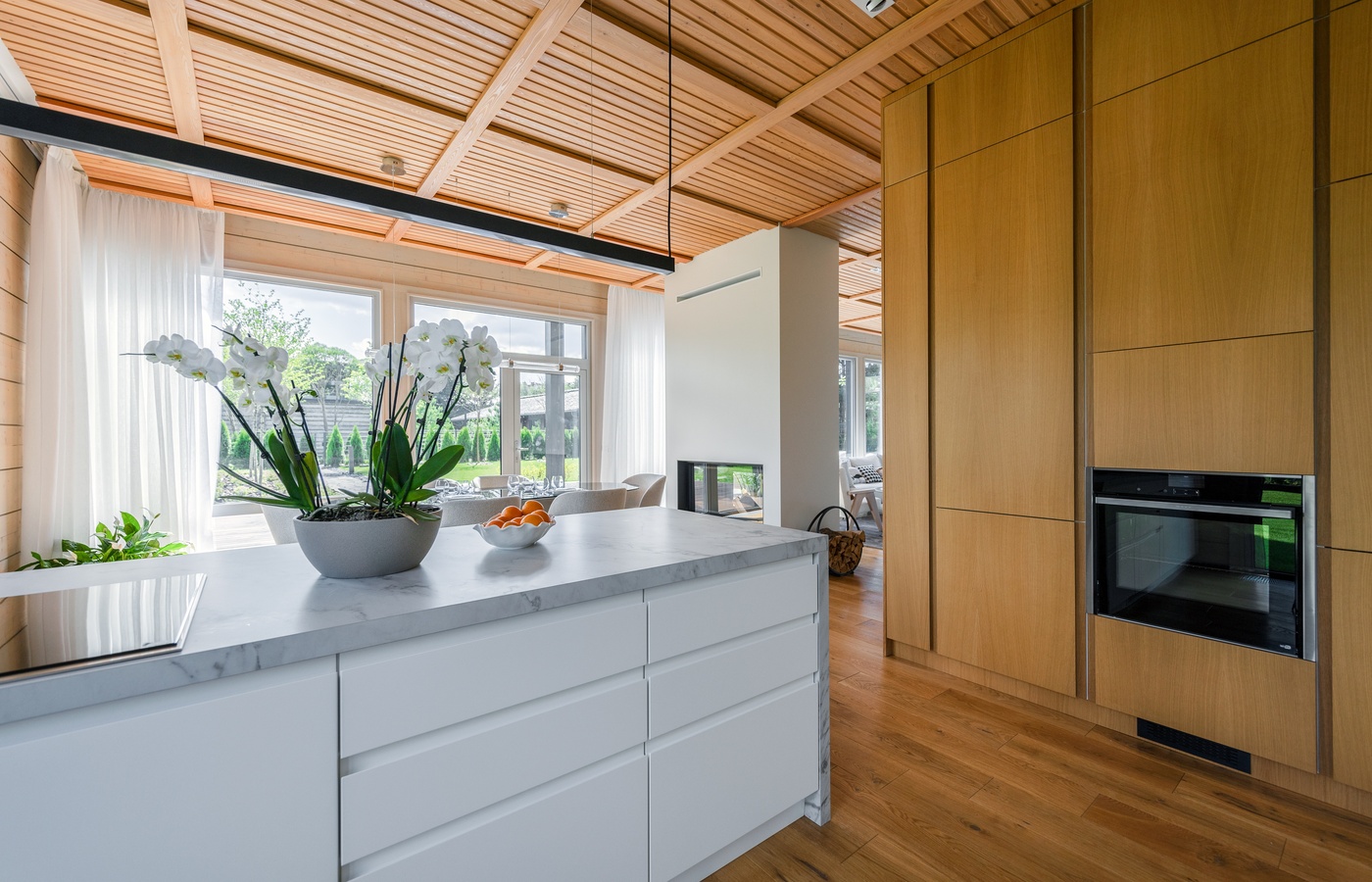
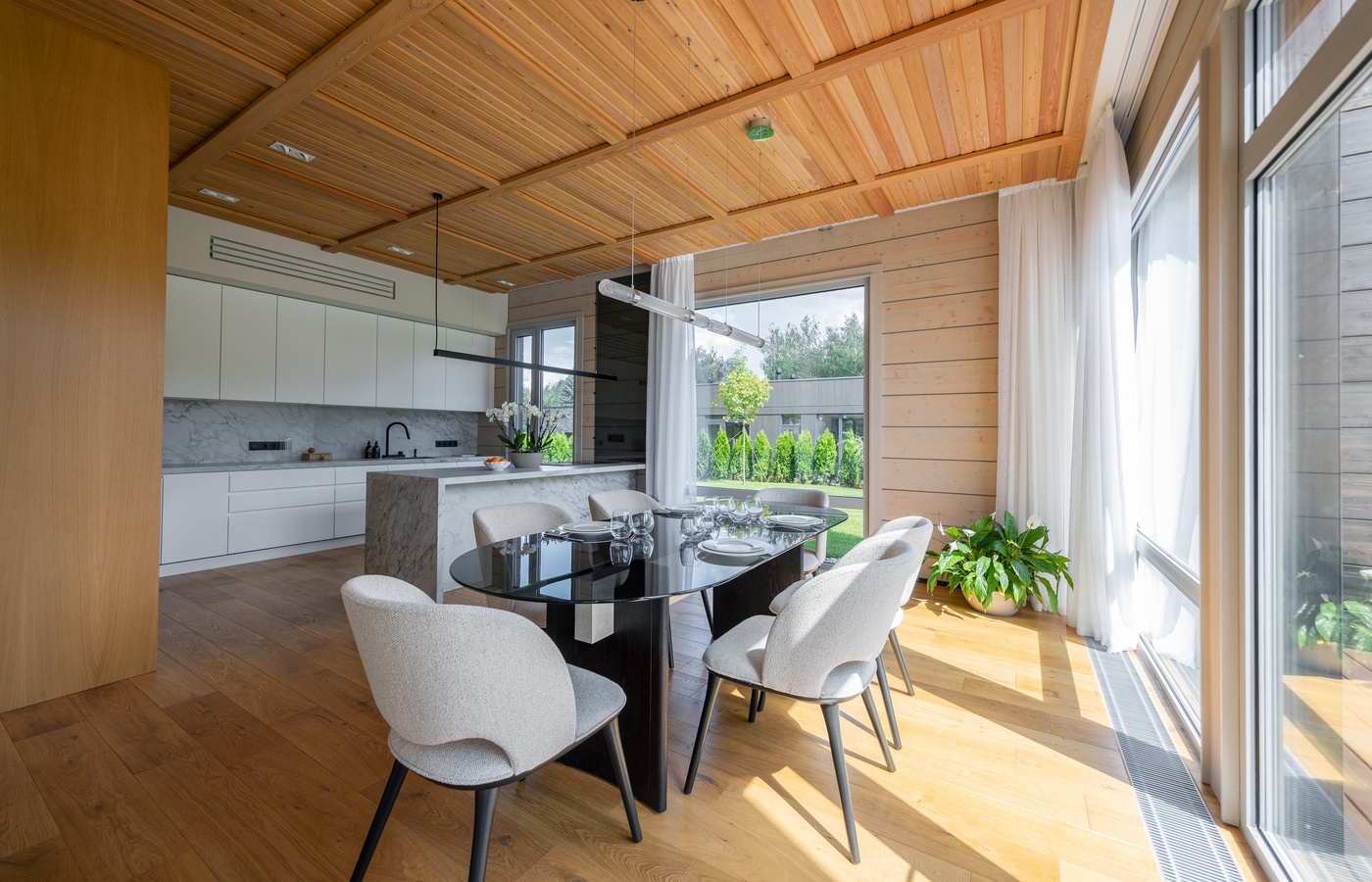
Wooden houses can withstand earthquakes of magnitude 9 and above because their walls are relatively lightweight and therefore place less stress on the foundation. In addition, the log courses can “move” slightly relative to one another while remaining firmly connected as a single structure, preventing them from cracking and collapsing.
For this reason, log houses are extremely popular throughout the world in earthquake-prone areas. For example, when an earthquake struck the city of Almaty (Kazakhstan) at the beginning of the last century, only wooden houses survived.
After the devastating earthquake in Kobe, Japan, in 1995, only buildings made of logs remained intact and undamaged. In Japan, a seven-storey glued laminated timber building was tested on a special vibration platform and withstood 14 shocks with magnitudes of 7–8!
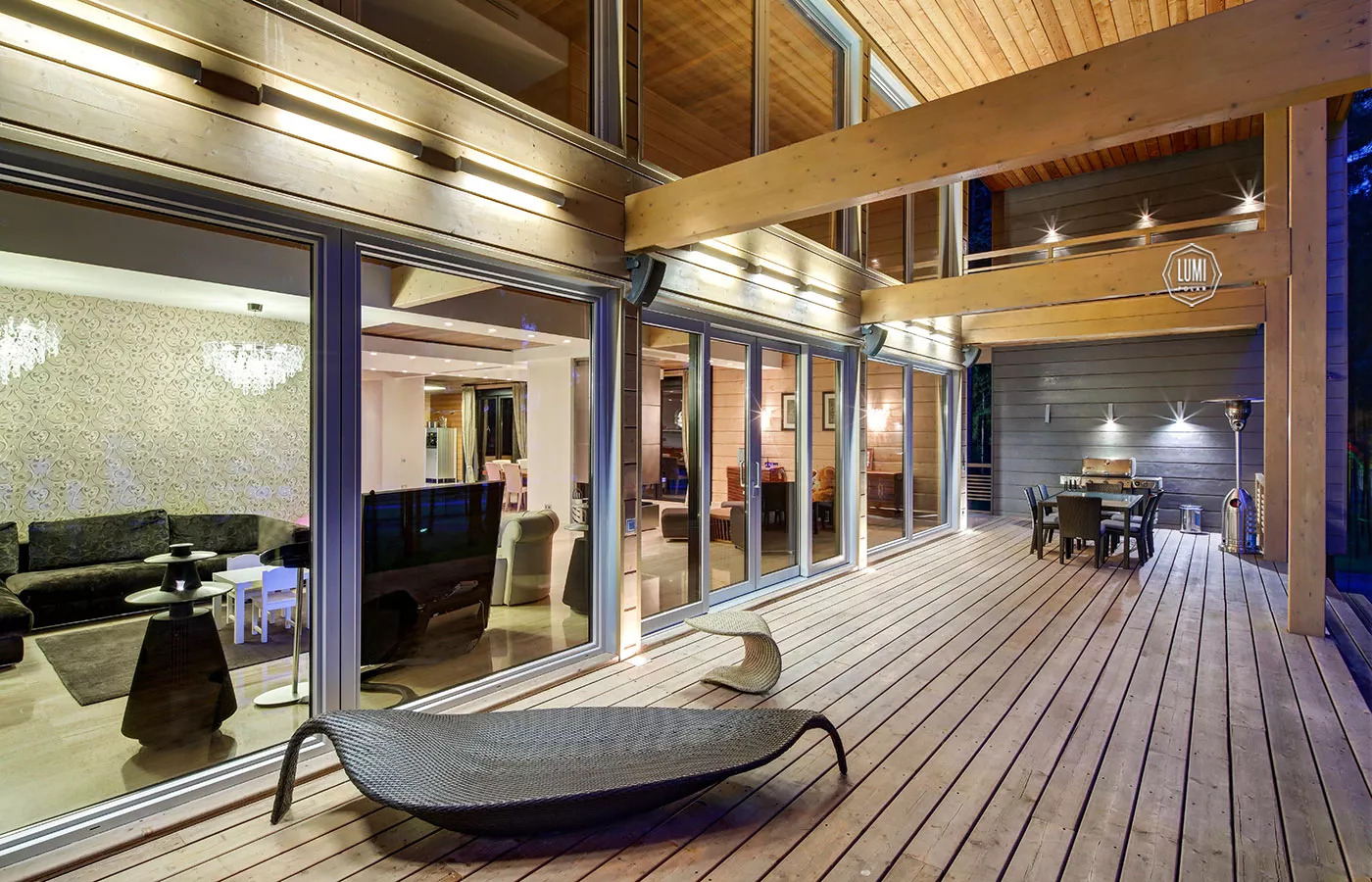
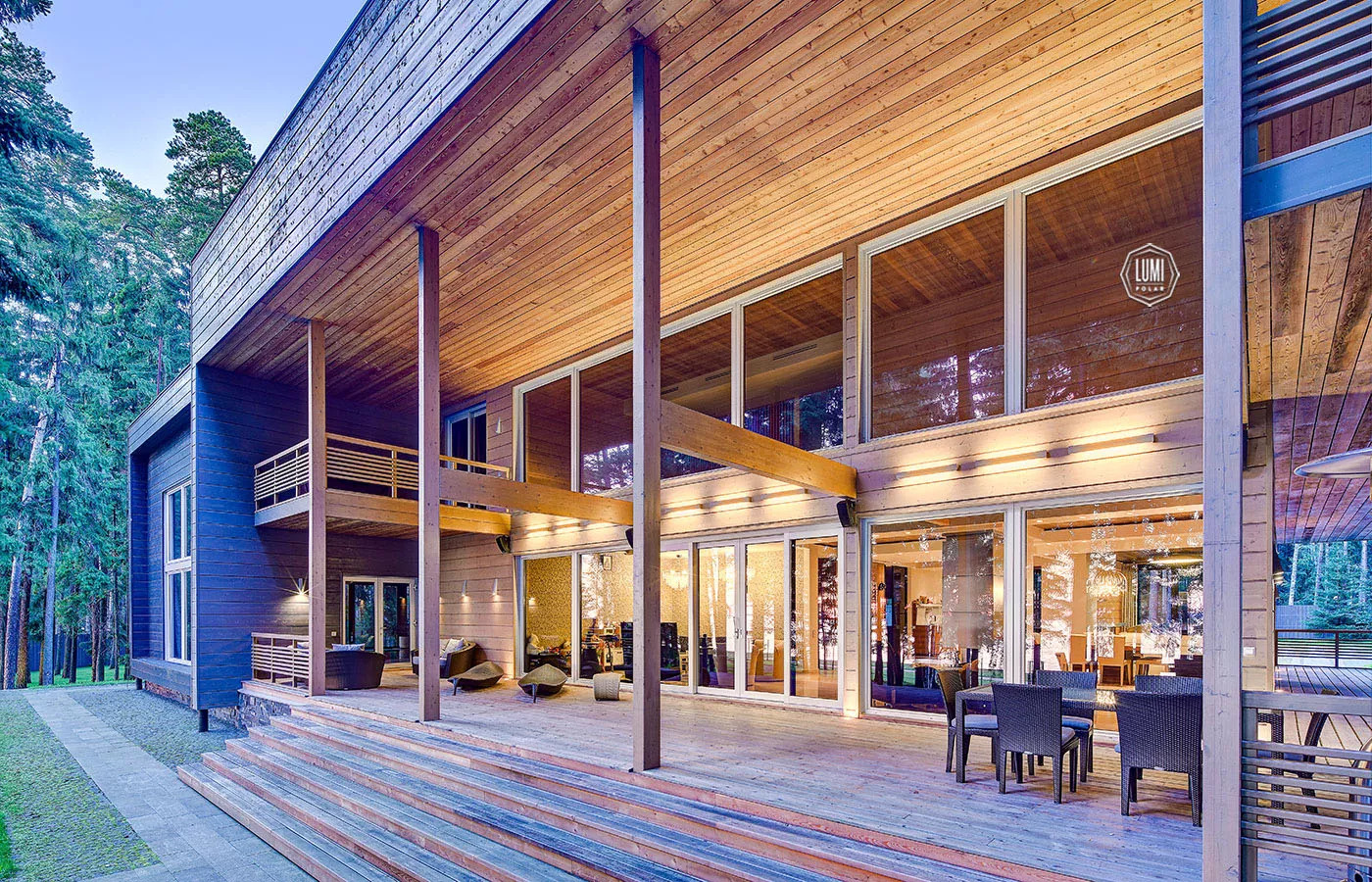
Unlike houses made from other building materials, our wooden houses are economically advantageous both to build and to operate. For example:
For example, we build houses from 200 mm thick timber even in northern countries, while heating costs are twice as low as those of our competitors.
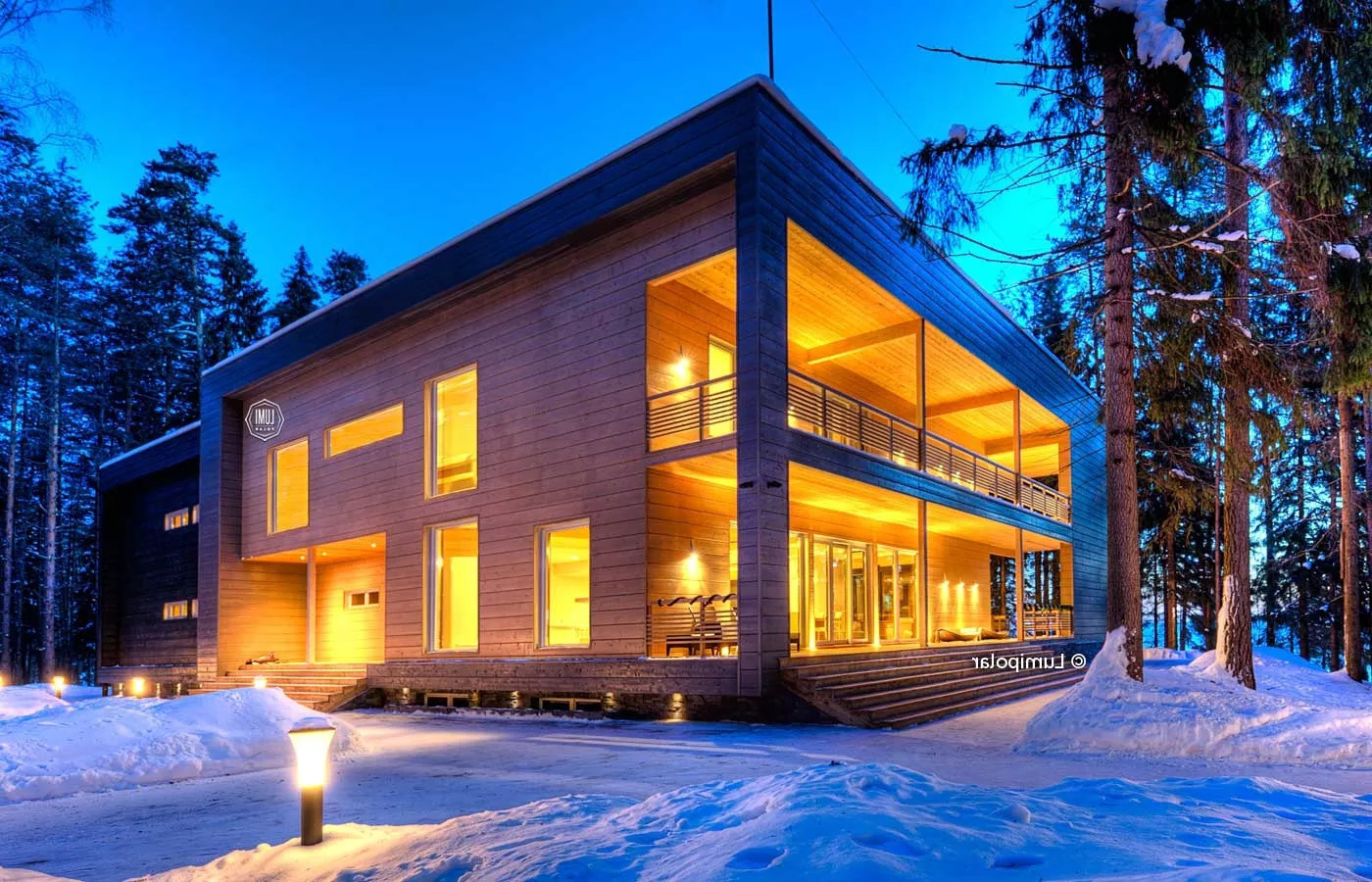
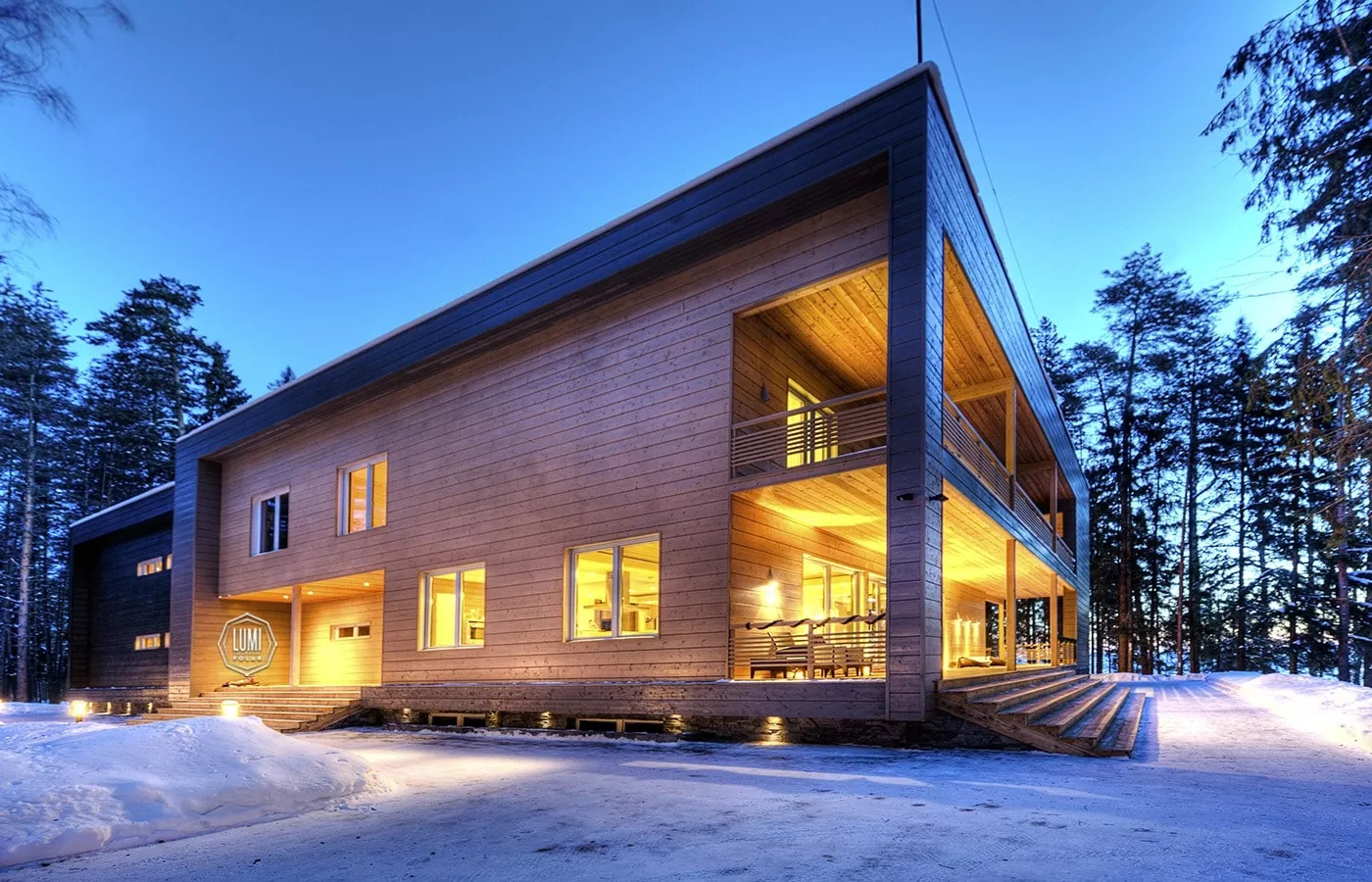
We are often asked about the disadvantages of our wooden houses (where there are advantages, there should always be disadvantages), so we searched for them for a very, very long time — but never found any. Sometimes the impossible really does happen.
Our log houses feel equally at home in hot Africa and beyond the Arctic Circle, beside the water and above the water, in dry and humid climates — and everywhere they remain perfectly comfortable. In snowy mountains they provide warmth and protection, while under the hot southern sun they offer coolness and lightness.
Modern research confirms our experience: the study Timber Houses in the Mediterranean Area: A Challenge to Face(2023) demonstrates that high-quality, properly designed and constructed log houses retain their original appearance and energy efficiency in any climate, including hot countries.
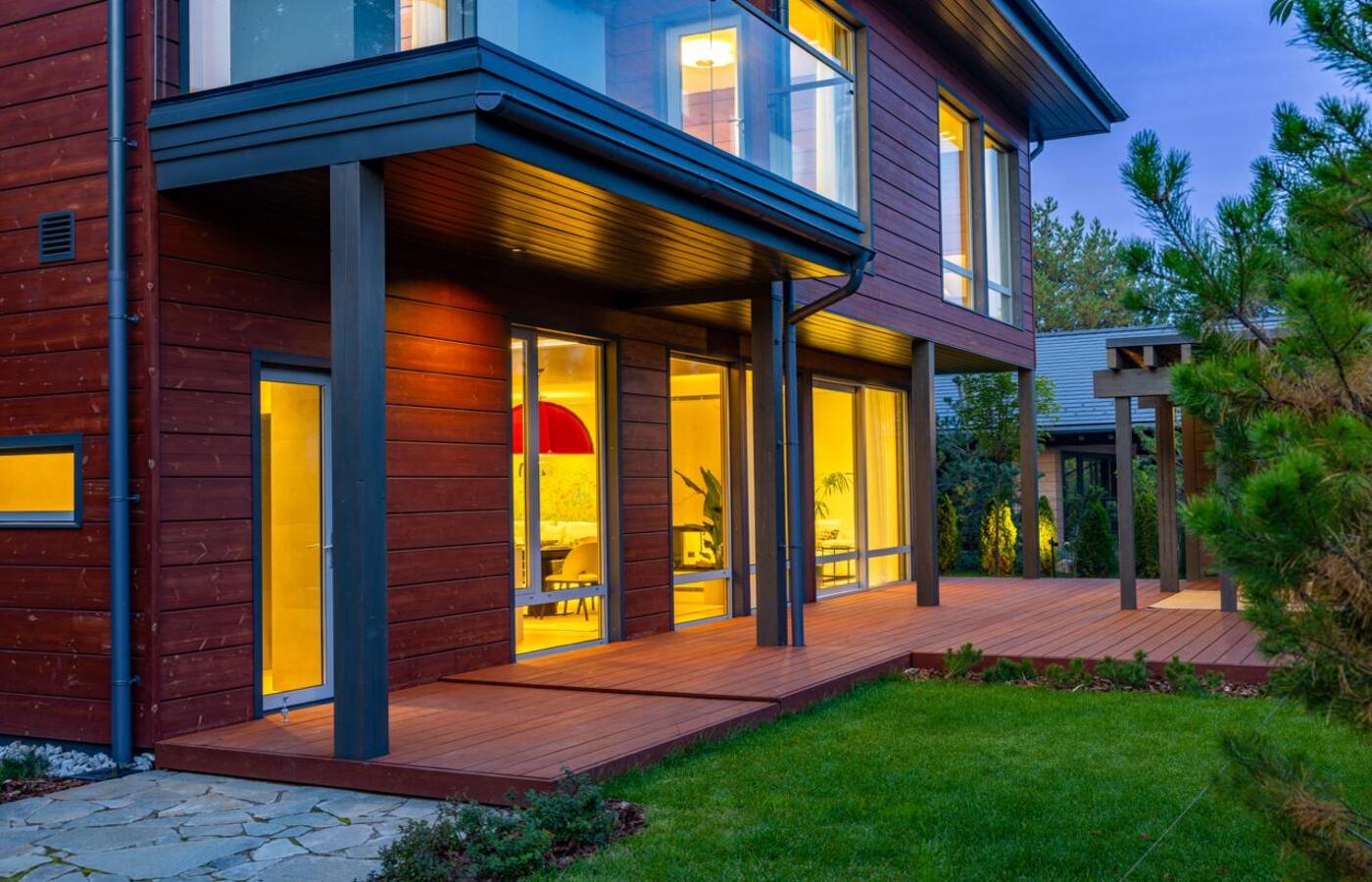
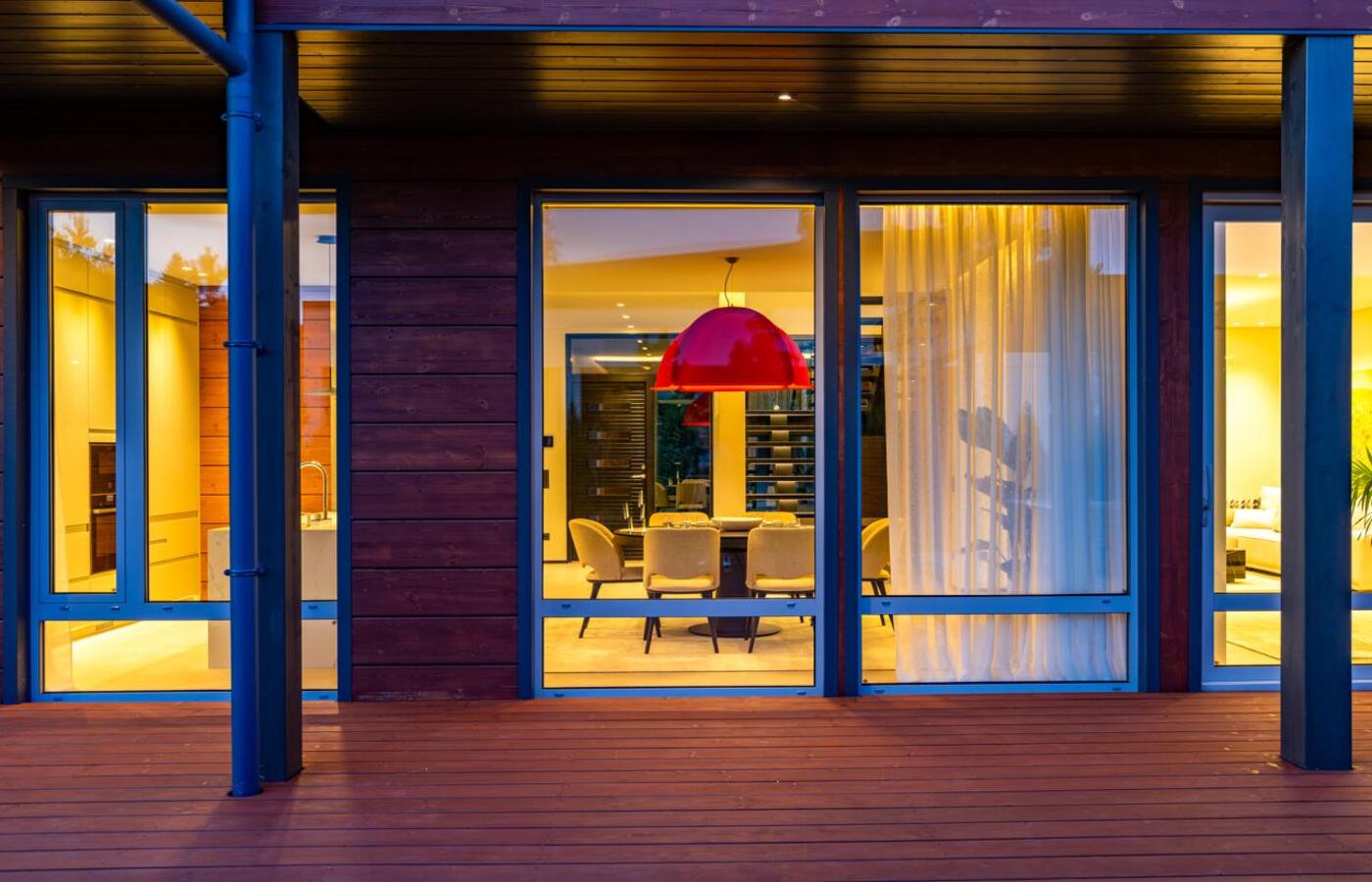
Scientists note that wood, as a renewable material of the future, reduces the carbon footprint and provides unique advantages. These include natural thermal insulation and sound insulation, as well as short production times — all of which affect construction schedules and costs. For us, this is simply natural: Lumi Polar's advanced technologies create ideal living conditions in any climate.
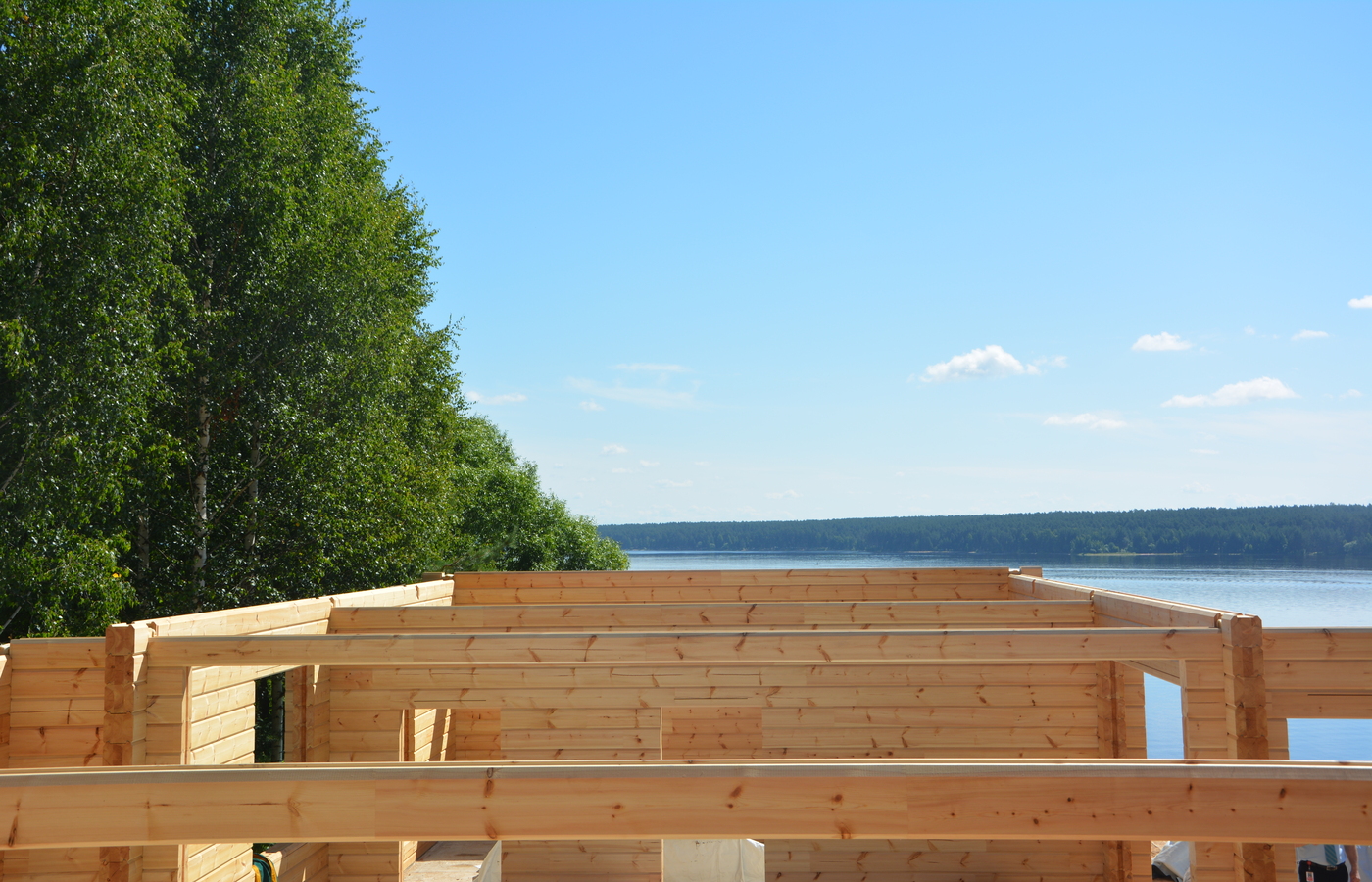
Some people are afraid to build wooden houses because they believe the building site has excessive humidity — but this concern is unfounded. First of all, wood, like any natural material, is porous, which means that it releases moisture rather than accumulating it. Take Finland, for example — water everywhere, water everywhere ))) Not only does the country have 189,000 lakes, it is also surrounded by water.
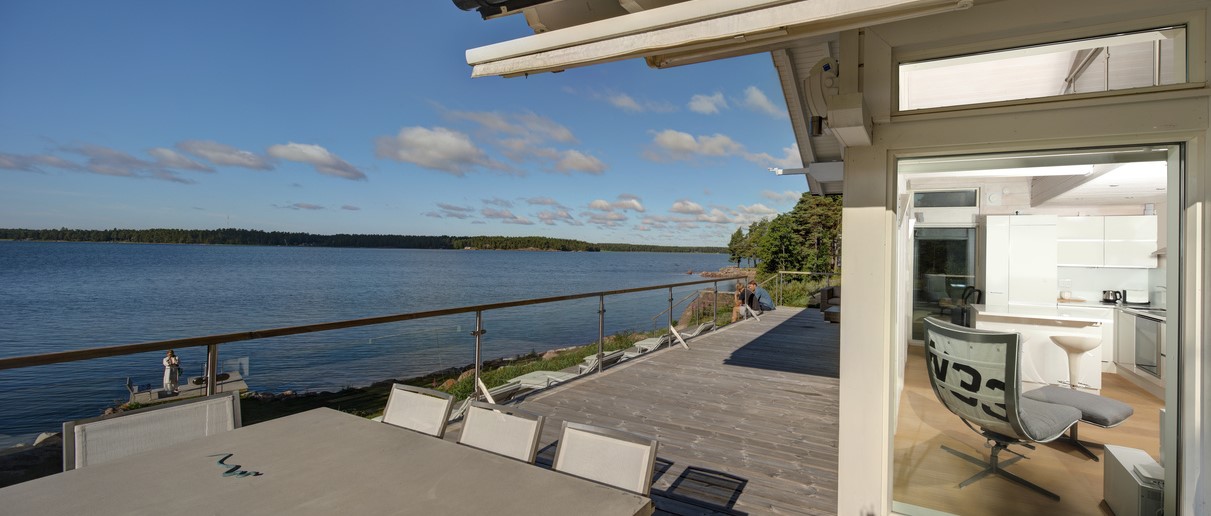
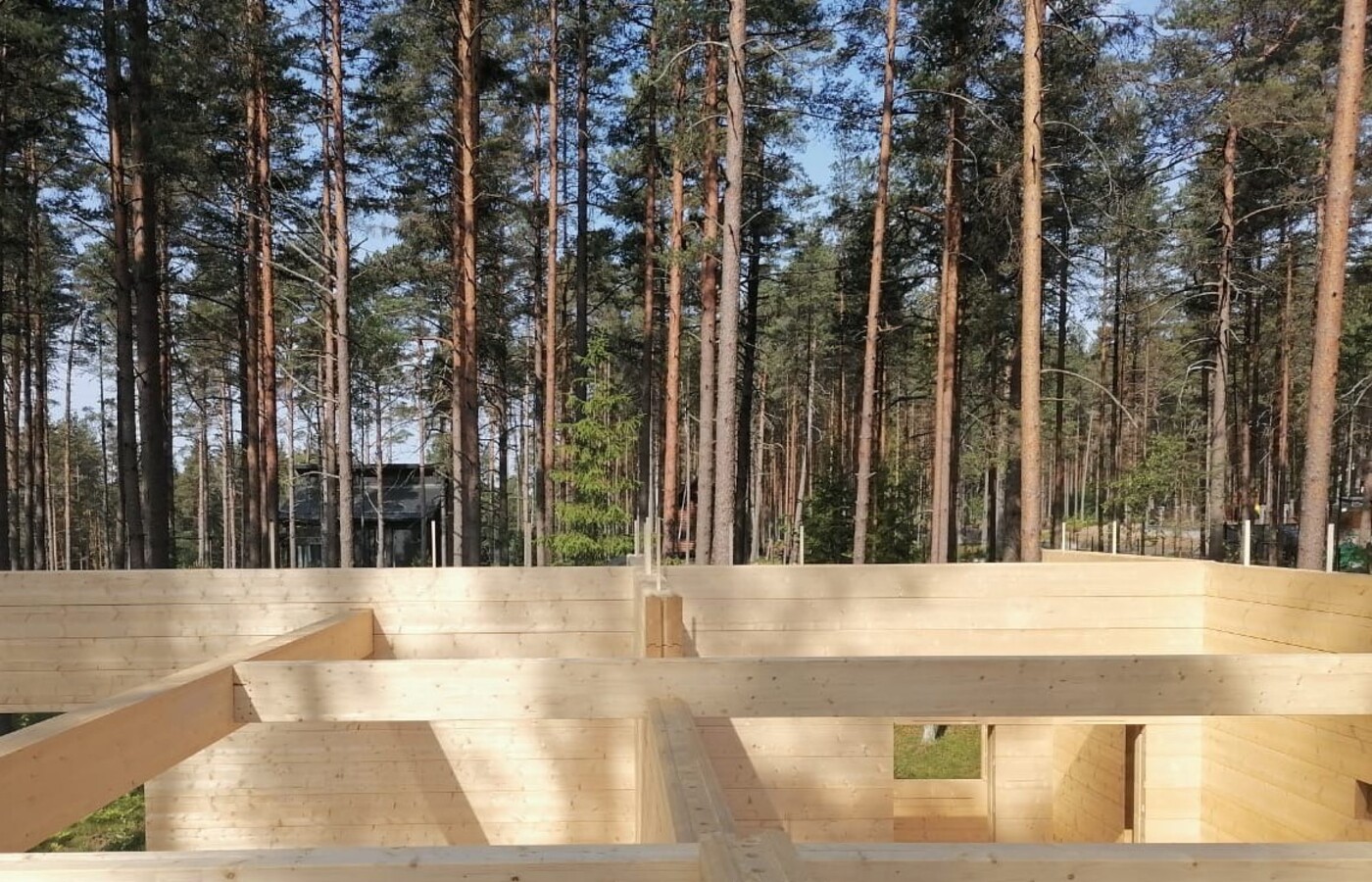
For example, for Finns, a summer cottage is traditionally associated with a house on the shore of a lake, bay or river. When you explain to them that your summer cottage is in the forest, they simply do not understand why — if there is nowhere to swim or fish, and, most importantly, what kind of sauna is it without a body of water nearby (and what kind of Finn is without a sauna )))
That is precisely what makes wood so good: just as it absorbs moisture, it also releases it. Think about why piers, jetties, docks and other structures are traditionally made of wood, and everything becomes clear. Wood is naturally meant to live in nature, and nature has neither bad weather nor a bad climate — which is why wood feels better than anything else in the open air, whether the environment is dry or humid.
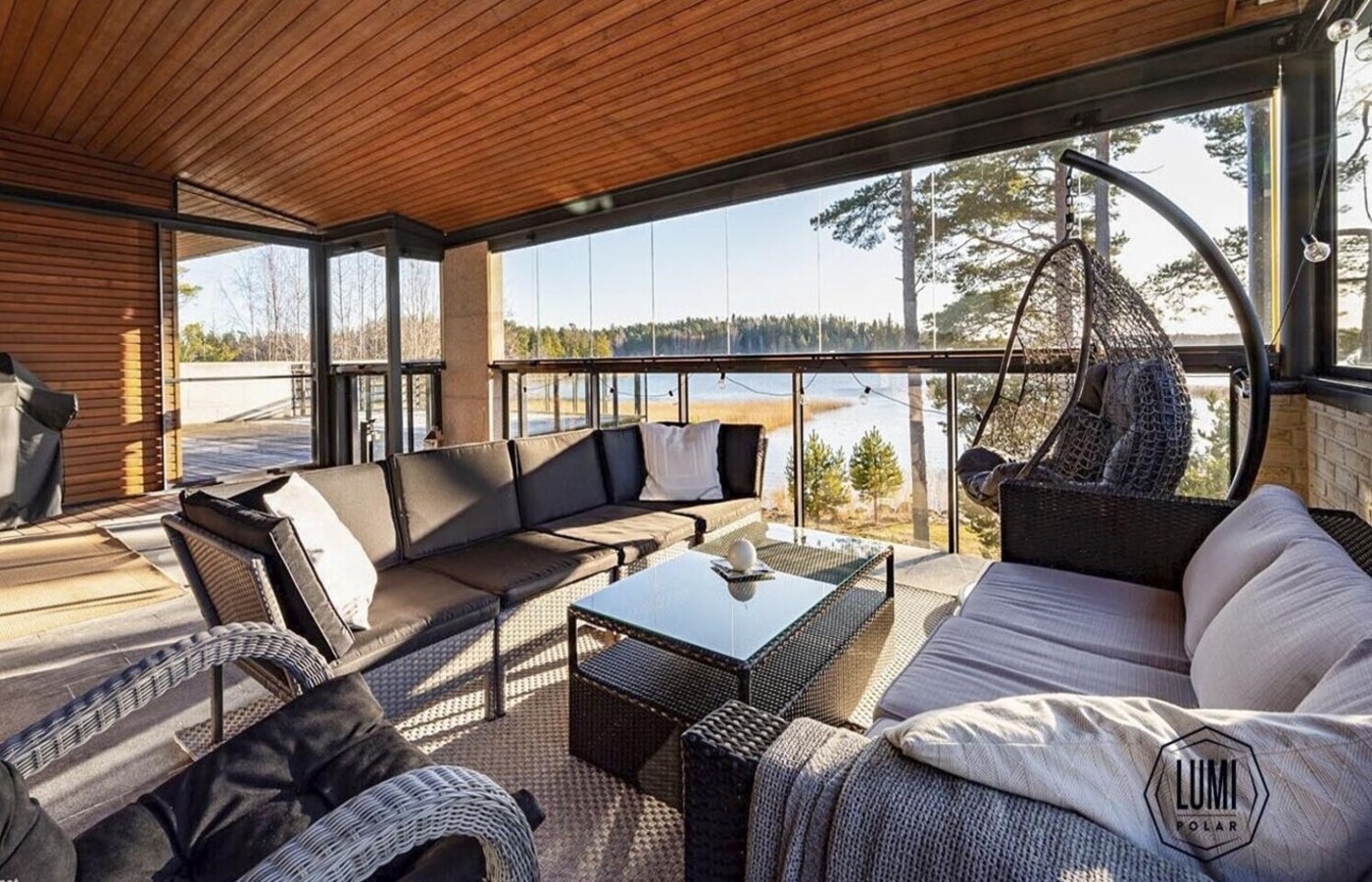
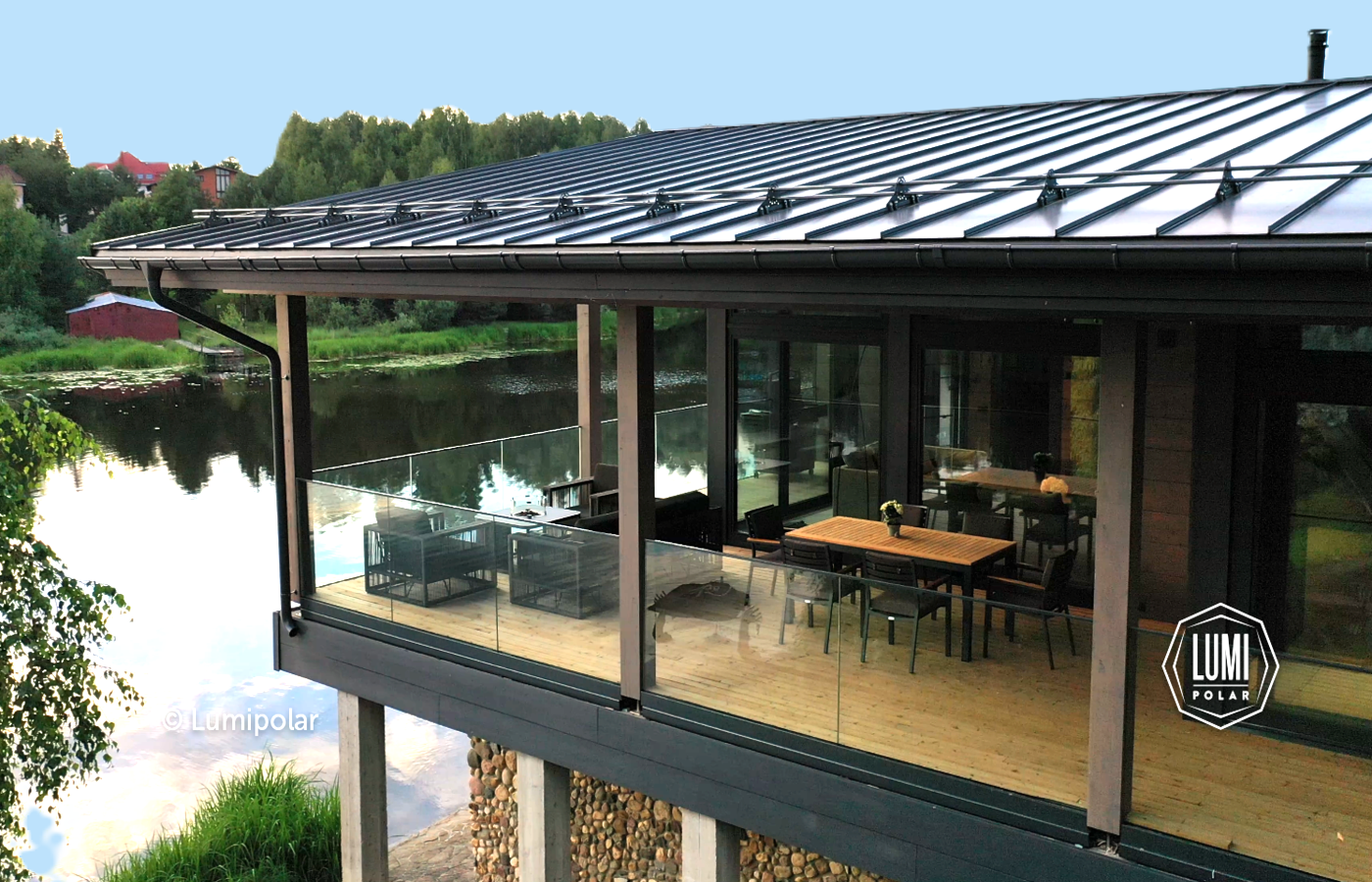
If we live surrounded by stone in the city, then let us live surrounded by wood in the countryside. Especially since wooden houses blend into the natural landscape better than any other type of building. Wood has an exceptionally beautiful texture and never allows the interior to look outdated. Even centuries from now, the interiors of wooden houses will remain just as relevant and timeless as they are today.